






















OpenAI Astra for Law Brings GPT-6 Astra Into Legal Research and Law Firm Workflows
OpenAI’s Astra for Law combines GPT-6 Astra with specialized legal search, integrations, and governance controls. The launch shows how frontier

Are your AI projects stuck on your own data?
AI projects often stall because business data isn’t consistent or trustworthy. Here’s how to identify data gaps before they become

X Square Robot’s $276M Bet on Embodied AI and China’s General-Purpose Robots
X Square Robot has raised $276M from Xiaomi, Sequoia China, and other internet giants to scale its WALL-A embodied AI
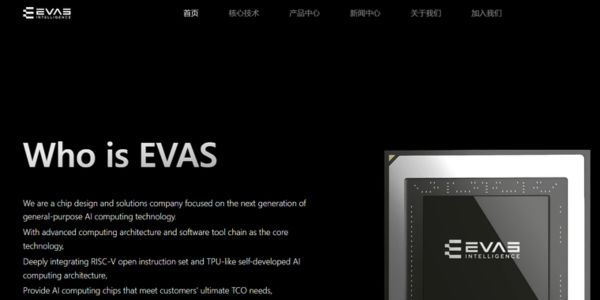
EVAS Intelligence’s RISC-V AI Chips Land 1.5 Billion Yuan Series B to Power Global Expansion
EVAS Intelligence has raised 1.5 billion yuan to mass‑produce its RISC-V Epoch AI chips, deepen its full‑stack platform, and accelerate
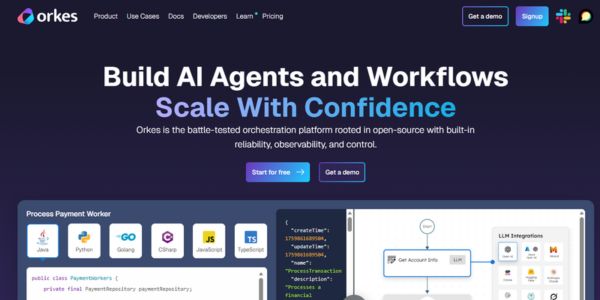
Orkes Raises $60M to Orchestrate Enterprise AI Agents in Production
Orkes has raised 60 million dollars to turn its Netflix‑born workflow engine into a control plane for enterprise AI agents.

Sillage’s AI signal engine raises €1.7M to help enterprise sales teams follow the right buying signals
Paris-based Sillage has raised €1.7 million to launch an AI signal engine that helps enterprise sales teams follow the right
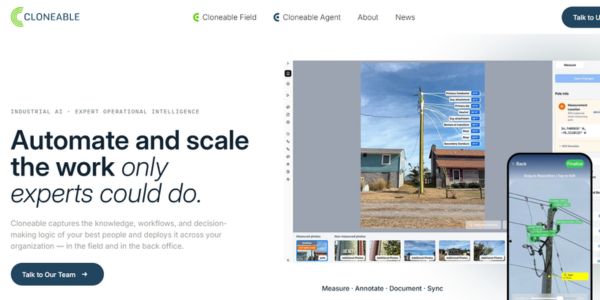
Cloneable’s agentic AI platform targets the infrastructure knowledge gap with $4.6M seed round
Cloneable is launching an agentic AI platform for infrastructure operations that captures institutional knowledge from retiring experts and turns it

Algorized
Algorized is a deep-tech company developing edge-AI models that give machines real-time awareness of people using wireless sensors such as
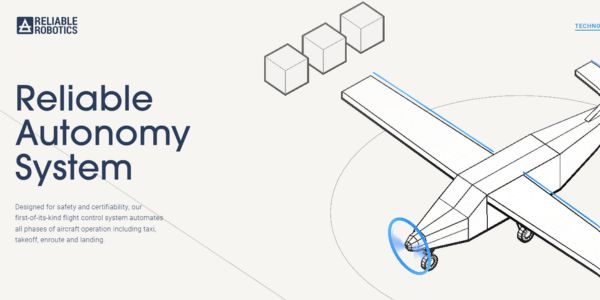
Reliable Robotics Secures $160M to Scale Autonomous Aircraft Systems for Commercial Deployment
Reliable Robotics has secured $160M to scale production and deployment of its Reliable Autonomy System. This funding marks a pivotal

Ricursive Superintelligence’s $500M bet on self-improving AI raises the stakes in the AGI funding race
Excerpt: Ricursive Superintelligence has raised at least $500 million to build self‑improving AI, with GV and Nvidia backing a four‑month‑old

Bond AI raises US$2M to automate SME accounting in Brazil’s brutal tax maze
Brazilian startup BOND has raised US$2M to automate accounting for SMEs in Brazil’s complex tax system. Combining AI with human

Loop’s AI supply chain platform raises $95M Series C to predict disruptions before they hit
Loop just raised a $95M Series C to expand its AI-native supply chain platform, turning messy logistics data into early