Synthesia Secures Major Funding to Lead Enterprise AI Video
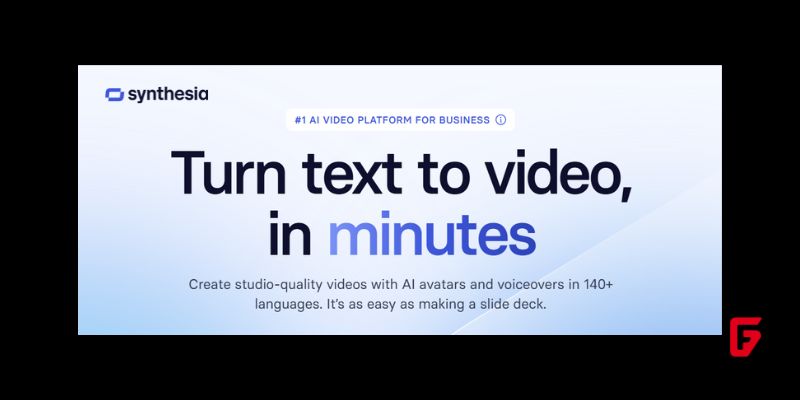
Synthesia, a frontrunner in AI video communications, has closed a $180 million Series D funding round. This major investment was led by NEA, with backing from new and existing investors including WiL, Atlassian Ventures, PSP Growth, GV, MMC Ventures, and FirstMark. With this funding, Synthesia’s total capital raised now tops $330 million, pushing its valuation to $2.1 billion and establishing it as the United Kingdom’s most valuable generative AI media company.
“This new investment will help us develop a new generation of AI-powered video experiences that are interactive, real-time, and personalized, offering possibilities we could have only imagined when we founded the company in 2017…” – Victor Riparbelli, CEO and co-founder of Synthesia.
Backing from Top Investors and Strategic Partners
The investor lineup underscores confidence in Synthesia’s AI-powered video platform, which serves more than 60,000 customers globally, ranging from major brands to small businesses seeking scalable, professional video solutions. The participation of global funds and industry players highlights broad support for Synthesia’s vision to transform enterprise communications with artificial intelligence.
Growth Strategy: Product Innovation and Global Expansion
Synthesia’s leadership plans to leverage the new capital to accelerate:
Product development: Advancing a new generation of AI video experiences that are interactive, real-time, and personalized.
Talent acquisition and growth: Bolstering teams to meet the challenges and opportunities in the AI video market.
Market expansion: Scaling operations across North America, Europe, Japan, and Australia to serve a growing international client base.
Recently, Peter Hill joined as CTO, bringing over 25 years of experience from Amazon and leading tech roles at Wildfire Studios, further strengthening Synthesia’s technical leadership.
AI Video Surges Toward Mainstream Enterprise Adoption
Synthesia’s technology enables organizations to create multi-language, avatar-driven videos for applications such as:
Employee training
Marketing
Customer support
Internal communications
The adoption of AI in enterprise video mirrors broader trends in digital transformation, with companies seeking more efficient, scalable, and engaging ways to communicate globally.
Competitive Edge in the Generative AI Space
Synthesia’s platform stands out by empowering users to create professional-grade videos without the technical overhead of traditional video production. With over 230 avatars and support for 140+ languages, the platform is positioned to shape how enterprises leverage generative AI for both internal and external messaging.
Broader Industry Implications
Synthesia’s funding round reflects the accelerating momentum around AI media tools. The company’s trajectory suggests AI video is approaching a “ChatGPT moment”—a tipping point where generative video becomes mainstream in business workflows, just as large language models have transformed text-based productivity.
Synthesia’s latest funding puts it at the forefront of the AI video revolution, unlocking new possibilities for how global organizations collaborate, train, and communicate.