


























Mountain View, California, USA
2011
Healthcare, Medical Devices, Surgery, Surgical Robotics
Levita Magnetics is a medical technology company focused on minimally invasive surgery and surgical robotics. The company developed Magnetic Surgery®, a technology that uses magnetic forces to manipulate internal surgical instruments, and later developed the MARS® surgical platform, which combines magnetic technology with robotic and electromechanical systems. MARS is designed for high-volume abdominal procedures and gives surgeons greater control over visualization and tissue retraction while reducing the number of incisions and reliance on additional surgical assistance.
Levita Magnetics develops surgical systems and technologies designed to make minimally invasive procedures less invasive and more efficient. Its MARS platform gives surgeons direct control of the laparoscopic view and uses proprietary Dynamic Magnetic Positioning to manipulate a magnetic surgical instrument inside the body. The system is designed for procedures including gallbladder, bariatric, colorectal, prostate and hiatal hernia surgery. Levita has also expanded its technology into pediatric applications and has demonstrated the use of MARS alongside other robotic systems and augmented-reality technology.
Levita’s core technology is Magnetic Surgery®, which uses magnets to control surgical instruments inside the patient’s body without requiring every instrument to enter through a conventional abdominal port. Its MARS platform builds on this approach through Dynamic Magnetic Positioning™, allowing a surgeon-controlled magnetic retractor to move and position tissue during laparoscopic procedures. The system also incorporates surgeon-controlled robotic arms and instrumentation to improve visualization and control of the surgical field.
Levita has also begun incorporating artificial intelligence and augmented reality into its surgical technology. In 2025, the company reported a procedure using MARS with an AI-guided autonomous surgical camera that automatically maintained visualization of the surgical field. Earlier work integrated MARS with Meta Quest 3 and 3D visualization for abdominal surgery.
The technology therefore sits at the intersection of magnetic technology, medical robotics, surgical instrumentation, AI-assisted surgery and minimally invasive procedures.
Levita Magnetics is relevant to the emerging technology landscape because it approaches surgical robotics differently from conventional multi-arm robotic systems. Instead of relying exclusively on instruments entering the body through multiple fixed access points, its technology uses magnetic positioning to manipulate internal tissue and support visualization through fewer access points.
The company’s development of MARS also illustrates the convergence of several emerging technologies in healthcare: robotics, magnetics, advanced surgical instrumentation, artificial intelligence and augmented reality. Its 2025 demonstration of AI-guided camera control shows how Levita is extending its platform from mechanically assisted surgery toward increasingly automated surgical workflows.
MARS is Levita Magnetics’ primary surgical platform. Introduced commercially in 2023, it combines Magnetic Surgery with advanced machinery and proprietary Dynamic Magnetic Positioning. The system provides surgeons with control over the laparoscopic view while using magnetic technology to position and retract tissue.
MARS is designed for high-volume abdominal procedures and has been used in gallbladder, bariatric, colorectal, prostate and hiatal hernia procedures. Levita says the platform is designed to provide benefits for patients, surgeons and hospitals, including fewer incisions, improved visualization and more efficient use of surgical personnel.
The Levita Magnetic Surgical System is the company’s foundational magnetic surgery technology. It uses an external magnet to control a detachable internal grasper, allowing surgeons to manipulate and retract tissue without requiring the instrument to pass through a conventional fixed port. The system was initially cleared for gallbladder surgery and subsequently expanded to additional applications.
Levita has integrated AI-guided camera control into the MARS platform. In a 2025 clinical procedure in Chile, an AI-guided system autonomously maintained visualization of the surgical field during gallbladder surgery, reducing the need for manual camera positioning. Levita describes this as a step toward greater surgical autonomy. The AI-guided application cited in that announcement was not cleared for sale in the United States.
Levita’s technology is primarily focused on minimally invasive abdominal surgery. Applications include gallbladder removal, bariatric surgery, colorectal procedures, prostate surgery and hiatal hernia repair. The company has also reported pediatric use following expanded FDA clearance and has demonstrated its technology in combination with other robotic systems for complex procedures.
Its technology can also be applied to surgical visualization and tissue retraction, where magnetic positioning can reduce instrument crowding and the number of access points required during laparoscopic procedures. Levita has additionally explored augmented reality and AI-guided visualization as extensions of its surgical platform.
MARS is Levita Magnetics’ surgical platform combining Magnetic Surgery, Dynamic Magnetic Positioning and surgeon-controlled machinery for minimally invasive procedures. It is designed to improve visualization and tissue manipulation while reducing the need for multiple surgical access points.
Levita’s Magnetic Surgery uses magnetic forces to control an internal surgical grasper from outside the patient’s body. This allows tissue to be retracted and positioned without relying solely on conventional instruments entering through fixed abdominal ports.
Yes. Levita has integrated AI into its MARS platform for surgical camera guidance. In 2025, the company reported a procedure in which an AI-guided camera autonomously maintained visualization of the surgical field during gallbladder surgery.
Yes. Levita is best categorized as a robotics company within the futureTEKnow database because its MARS platform combines magnetic technology with robotic and electromechanical systems for minimally invasive surgery. The company also describes robotics as an important part of its technology development.
Levita’s platforms have been used or cleared for several procedures, including gallbladder, bariatric, colorectal, prostate and hiatal hernia surgery. The company has also reported expanded pediatric applications.
Have an update, correction, or additional information about this company? Help us keep the futureTEKnow company database up to date by submitting the latest company information.

X Square Robot has raised $276M from Xiaomi, Sequoia China, and other internet giants to scale its WALL-A embodied AI model and wheeled humanoid robots from household cleaning into factories, logistics, and eldercare, reshaping how physical work is automated in China.
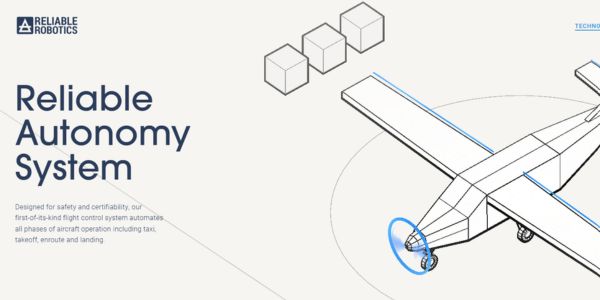
Reliable Robotics has secured $160M to scale production and deployment of its Reliable Autonomy System. This funding marks a pivotal transition for the company as it prepares for commercial cargo operations and works toward final FAA certification.
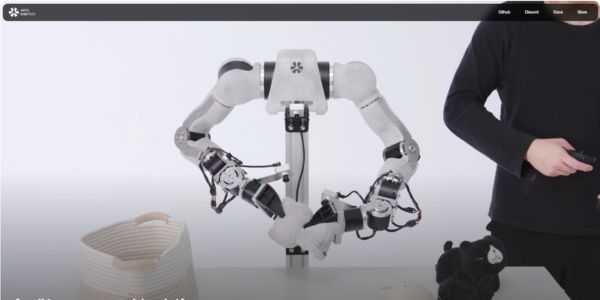
Anvil Robotics is building a physical AI modular robotics platform that replaces fragmented, bespoke stacks with composable hardware, software, and data tools. Founders, integrators, and investors should understand how this infrastructure shift could accelerate deployments in humanoids, logistics, and industrial automation.
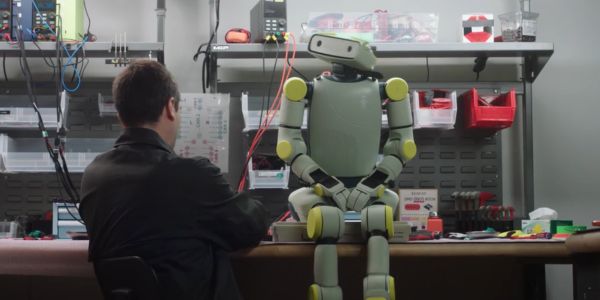
Amazon’s acquisition of Fauna Robotics brings the Sprout humanoid development platform into its Personal Robotics Group, highlighting a safety-first, developer-led approach to personal robots. The deal offers clues about how Amazon and other large buyers will evaluate humanoid platforms, from real-world deployments to exit opportunities for startups.
Mind Robotics has raised a $500 million Series A to build an AI-driven industrial automation platform trained on Rivian’s production lines. The Rivian spinout is targeting dexterous, variable factory tasks that traditional robots still struggle to automate, with a full-stack approach spanning models, hardware, and deployment infrastructure.
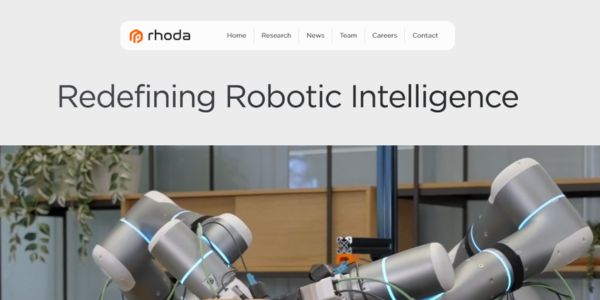
Rhoda AI has raised $450 million at a $1.7 billion valuation to launch FutureVision, a video-trained robot intelligence platform aimed at high-variability manufacturing and logistics. The feature examines the company’s Direct Video Action model, business model, and deployment challenges for founders, operators, and investors.
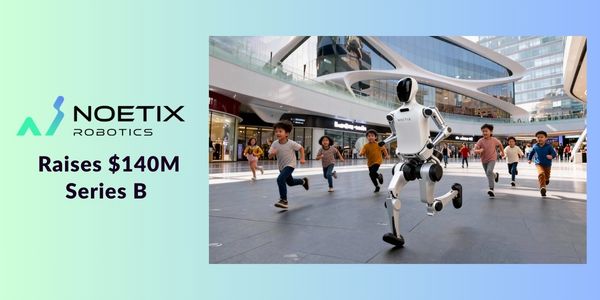
Noetix Robotics, a Beijing-based humanoid robotics startup, has closed a near-$140M Series B round to ramp up mass production and push its consumer-focused robots into everyday life.
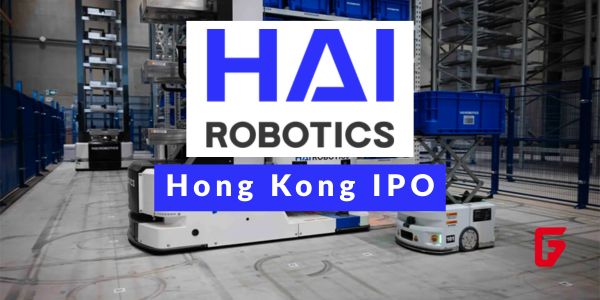
Shenzhen’s Hai Robotics, pioneer in ACR warehouse robots, files for HK IPO after raising over $500M in funding rounds led by top VCs.

Ouster’s $35M StereoLabs acquisition fuses lidar and ZED cameras into end-to-end Physical AI sensing. Founders Cecile Schmollgruber and team drive robotics revolution.
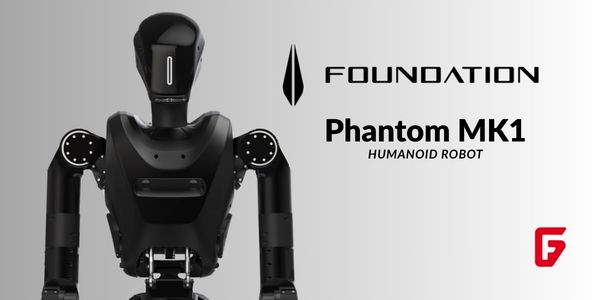
Foundation’s Phantom MK1 humanoid robot hits factories and eyes military use. Check specs, pilots, and bold 50k goal by 2027. Game-changer alert!
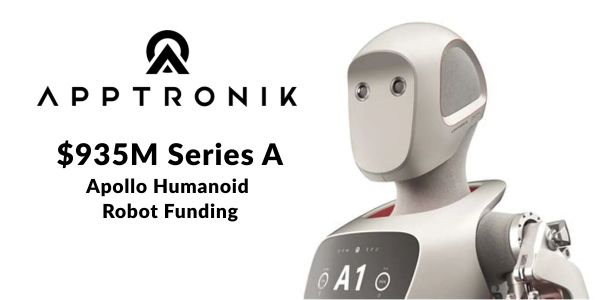
Humanoid robotics leader Apptronik just closed a massive $935M Series A, hitting a $5B valuation. Funds will boost Apollo production for factories and warehouses. Discover the investors and future plans.
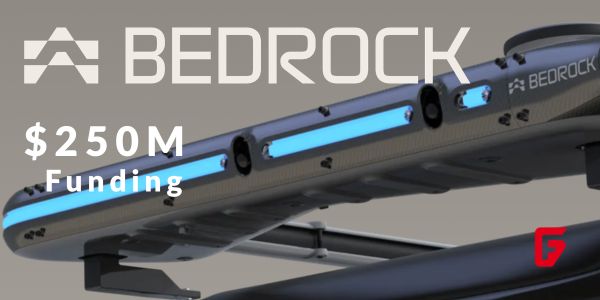
Exciting news: Bedrock Robotics just scored $270M in Series B to power up autonomous machines on job sites. Led by ex-Waymo pros, they’re tackling construction labor shortages head-on.
futureTEKnow is focused on identifying and promoting creators, disruptors and innovators, and serving as a vital resource for those interested in the latest advancements in technology.
© 2026 All Rights Reserved.