























San Francisco, California, USA
2022
Robotics, Autonomous Systems, Industrial Automation, Automotive, Agriculture, Robotics Software Development
SignalFlag is a robotics software company developing testing infrastructure for physical AI and autonomous systems. Formerly known as ReSim, the company provides a platform for evaluating robotic software through simulation, recorded sensor data, hardware testing, and real-world operational data. Its technology helps robotics engineering teams measure system performance, identify failures, and validate software changes throughout development and deployment.
SignalFlag develops robotics evaluation and testing software that allows engineering teams to create automated tests, measure robot performance, and compare results across different operating conditions. Its platform brings together simulation testing, log replay, hardware-in-the-loop testing, and field data analysis within a common evaluation environment.
The company also provides AI agent integration through the Model Context Protocol (MCP), allowing coding assistants to help build test suites, configure performance metrics, and establish automated testing workflows. SignalFlag integrates with existing robotics simulators, development tools, and continuous integration systems rather than replacing them.
SignalFlag develops simulation-based evaluation infrastructure for testing robotics and physical AI software. Its platform executes robotic software against defined scenarios, collects performance measurements, and organizes results for comparison across software versions and operating conditions.
The company’s technology supports simulation, sensor data replay, and hardware-in-the-loop testing within a common evaluation framework. It manages test execution, results storage, metrics aggregation, and integration with continuous integration pipelines, enabling engineering teams to assess autonomous system behavior across different testing methods.
SignalFlag also integrates with AI coding agents through MCP, allowing developers to build customized evaluation workflows using existing testing infrastructure. Its platform supports external simulators, robotics data formats, cloud storage, and development tools, including ROS 2, MCAP, GitHub Actions, and GitLab.
Robotic systems operate in physical environments where lighting, terrain, obstacles, and sensor conditions can affect performance. Repeatable robotics testing helps engineering teams evaluate these conditions before software is deployed onto physical machines, reducing dependence on expensive and time-consuming field testing.
SignalFlag contributes to the development of physical AI testing infrastructure by connecting simulation, hardware experiments, and operational data within a shared evaluation environment. Its technology is relevant to robotics developers building autonomous vehicles, industrial machines, and other systems that require ongoing software validation as their capabilities evolve.
SignalFlag provides a robotics testing and evaluation platform for executing test scenarios, collecting performance metrics, and analyzing results. It supports simulation, recorded data replay, hardware testing, and production data evaluation, allowing engineering teams to compare robotic software behavior across different test environments.
The SignalFlag MCP Server connects AI coding agents with the company’s evaluation infrastructure. It enables developers to use compatible assistants to configure testing resources, inspect results, and build automated robotics evaluation workflows using existing platform components.
SignalFlag Test Suites organize multiple robotic test scenarios into repeatable evaluation workflows. Engineering teams can use them to measure performance across software versions, detect regressions, and evaluate how autonomous systems respond to different environmental conditions.
The SignalFlag HiL Agent supports hardware-in-the-loop testing by connecting physical robotic hardware and existing test environments with the SignalFlag platform. It enables hardware-related tests to be executed and evaluated alongside simulation-based testing workflows.
SignalFlag provides command-line and API interfaces for managing robotics testing programmatically. Developers can configure test resources, initiate evaluation workflows, retrieve results, and integrate testing with existing software development pipelines.
Robotics Software Testing: Evaluating perception, navigation, planning, and control software through repeatable test scenarios and performance measurements.
Autonomous Vehicle Validation: Testing autonomous driving software against simulated environments and recorded operational data to identify behavioral differences and software regressions.
Simulation-Based Evaluation: Running robotic software against virtual scenarios using existing simulation environments, including NVIDIA Isaac Sim, Gazebo, and MuJoCo.
Hardware-in-the-Loop Testing: Evaluating robotic software with connected physical hardware to examine system behavior and software-hardware interactions.
Robotics Regression Testing: Comparing software versions against established test scenarios to detect performance changes before deployment.
Field Data Analysis: Processing recorded sensor data and operational logs to investigate robot behavior and reproduce issues observed during real-world operations.
Continuous Integration Testing: Connecting robotics evaluation workflows with software development pipelines to automate testing when code changes are introduced.
SignalFlag is a robotics software company developing testing and evaluation infrastructure for physical AI and autonomous systems. Its platform supports simulation, hardware testing, recorded data replay, and robotic performance analysis.
SignalFlag provides software for building automated robotics tests, measuring system performance, comparing software versions, and identifying failures across simulation, hardware, and real-world operational data.
Yes. SignalFlag was previously known as ReSim. The company adopted the SignalFlag name in September 2026 to reflect its expansion beyond simulation orchestration into robotics testing across hardware, field experiments, and production data.
The SignalFlag MCP Server connects compatible AI coding assistants with robotics testing infrastructure. It allows developers to configure evaluation resources, inspect performance metrics, and work with automated test suites through AI-assisted development workflows.
SignalFlag does not develop its own robotics simulator. Its platform connects with existing simulation environments, including NVIDIA Isaac Sim, Gazebo, and MuJoCo, to execute tests, collect metrics, and compare evaluation results.
SignalFlag supports simulation-based testing, recorded sensor data replay, hardware-in-the-loop testing, field data evaluation, regression testing, and automated testing through continuous integration pipelines.
SignalFlag’s technology supports robotics development across autonomous vehicles, industrial automation, agriculture, manufacturing, and other sectors developing physical AI and autonomous machines.
Have an update, correction, or additional information about this company? Help us keep the futureTEKnow company database up to date by submitting the latest company information.

X Square Robot has raised $276M from Xiaomi, Sequoia China, and other internet giants to scale its WALL-A embodied AI model and wheeled humanoid robots from household cleaning into factories, logistics, and eldercare, reshaping how physical work is automated in China.
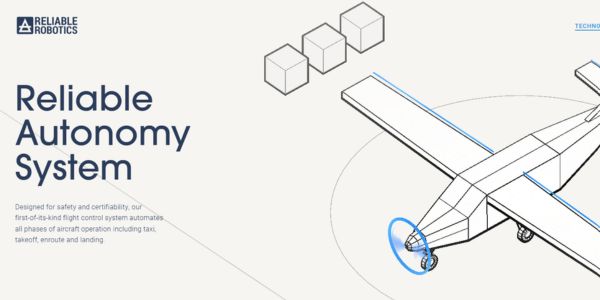
Reliable Robotics has secured $160M to scale production and deployment of its Reliable Autonomy System. This funding marks a pivotal transition for the company as it prepares for commercial cargo operations and works toward final FAA certification.
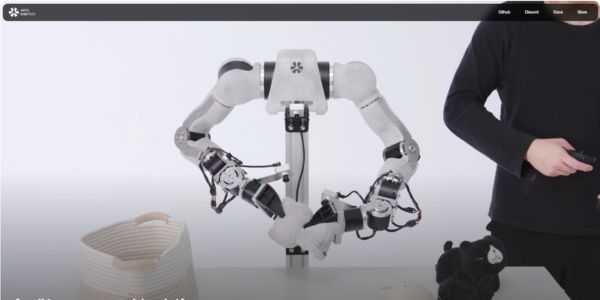
Anvil Robotics is building a physical AI modular robotics platform that replaces fragmented, bespoke stacks with composable hardware, software, and data tools. Founders, integrators, and investors should understand how this infrastructure shift could accelerate deployments in humanoids, logistics, and industrial automation.
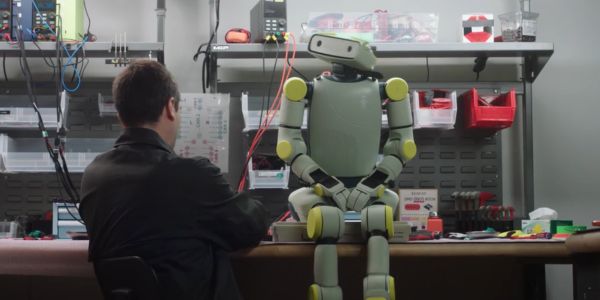
Amazon’s acquisition of Fauna Robotics brings the Sprout humanoid development platform into its Personal Robotics Group, highlighting a safety-first, developer-led approach to personal robots. The deal offers clues about how Amazon and other large buyers will evaluate humanoid platforms, from real-world deployments to exit opportunities for startups.
Mind Robotics has raised a $500 million Series A to build an AI-driven industrial automation platform trained on Rivian’s production lines. The Rivian spinout is targeting dexterous, variable factory tasks that traditional robots still struggle to automate, with a full-stack approach spanning models, hardware, and deployment infrastructure.

Rhoda AI has raised $450 million at a $1.7 billion valuation to launch FutureVision, a video-trained robot intelligence platform aimed at high-variability manufacturing and logistics. The feature examines the company’s Direct Video Action model, business model, and deployment challenges for founders, operators, and investors.
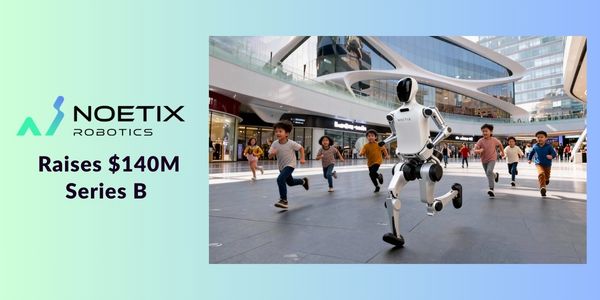
Noetix Robotics, a Beijing-based humanoid robotics startup, has closed a near-$140M Series B round to ramp up mass production and push its consumer-focused robots into everyday life.
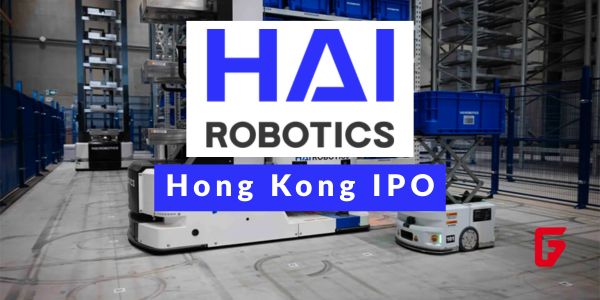
Shenzhen’s Hai Robotics, pioneer in ACR warehouse robots, files for HK IPO after raising over $500M in funding rounds led by top VCs.
Ouster’s $35M StereoLabs acquisition fuses lidar and ZED cameras into end-to-end Physical AI sensing. Founders Cecile Schmollgruber and team drive robotics revolution.
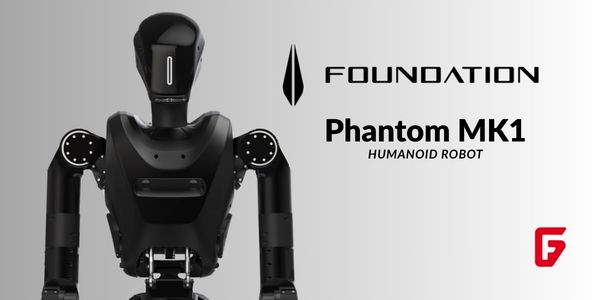
Foundation’s Phantom MK1 humanoid robot hits factories and eyes military use. Check specs, pilots, and bold 50k goal by 2027. Game-changer alert!
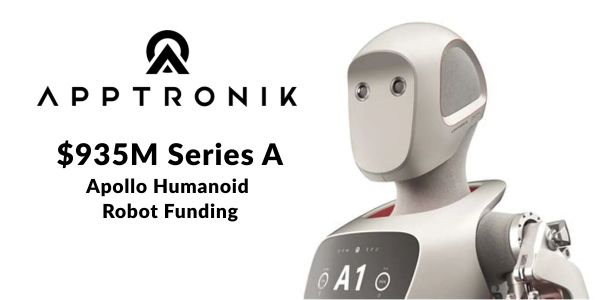
Humanoid robotics leader Apptronik just closed a massive $935M Series A, hitting a $5B valuation. Funds will boost Apollo production for factories and warehouses. Discover the investors and future plans.
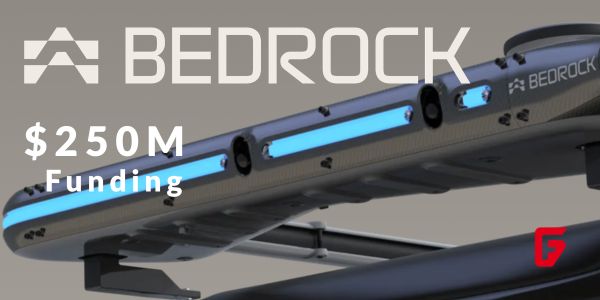
Exciting news: Bedrock Robotics just scored $270M in Series B to power up autonomous machines on job sites. Led by ex-Waymo pros, they’re tackling construction labor shortages head-on.
futureTEKnow is focused on identifying and promoting creators, disruptors and innovators, and serving as a vital resource for those interested in the latest advancements in technology.
© 2026 All Rights Reserved.