






















Agtonomy is a robotics and physical AI company developing autonomous operating software for agricultural and off-road machinery. Its technology combines artificial intelligence, computer vision, positioning systems, and equipment controls to automate repetitive tasks performed by tractors and other industrial vehicles.
The company works with equipment manufacturers to integrate autonomous capabilities into machinery at the factory. Its platform supports vineyards, orchards, specialty crop farms, and land maintenance operations, allowing equipment operators to plan, supervise, and manage multiple machines through a centralized application.
Agtonomy develops AI-powered automation software that enables agricultural equipment to perform field operations with reduced manual driving. Its system integrates with compatible tractors and implements to automate mowing, spraying, tillage, hauling, and other repetitive activities.
Operators use the Agtonomy Platform to select equipment, define work areas, configure implements, and dispatch automated jobs. The software provides real-time monitoring, machine status information, operational alerts, and reporting on completed work.
Agtonomy also partners with agricultural equipment manufacturers to incorporate its autonomy technology into production machinery. Its collaboration with Kubota has included autonomous narrow tractors designed for specialty crop environments, where equipment must navigate between closely spaced rows and operate around existing agricultural infrastructure.
Agtonomy develops a physical AI and autonomous equipment platform that combines GPS guidance, computer vision, machine intelligence, and vehicle control software. Its technology allows compatible off-road machinery to navigate work areas, execute predefined tasks, and communicate operational information to remote operators.
The company’s software is designed for integration with equipment from established manufacturers. By embedding autonomous functionality into compatible machinery, Agtonomy connects vehicle controls, agricultural implements, navigation systems, and fleet management through a common software environment.
Its third-generation Agtonomy Platform, introduced in 2025, expanded the capabilities of its earlier TeleFarmer system. The updated platform includes AI-driven fleet intelligence, support for mixed equipment fleets, improved task management, and autonomous operations without requiring extensive pre-mapping or local positioning base stations.
Operators can configure field jobs, assign equipment and implements, monitor multiple machines, receive operational alerts, and review performance data after completing a task. The platform supports hundreds of compatible implements, including equipment used for mowing, spraying, tillage, hauling, and grounds maintenance.
Agtonomy’s technology has been integrated with Kubota’s autonomous M5 Narrow tractor, demonstrating how its software can support factory-equipped agricultural machines. The system also supports nighttime operation and remote supervision, subject to equipment capabilities, field conditions, and applicable safety requirements.
Agricultural operations frequently depend on repetitive machinery tasks that require operators to spend long hours driving tractors through fields, orchards, and vineyards. Labor availability, operating costs, and the need for consistent field maintenance have increased interest in autonomous agricultural equipment.
Agtonomy addresses these challenges through software-defined agricultural autonomy. Its technology allows equipment manufacturers to introduce automated capabilities into familiar machinery while giving growers centralized control over field operations.
The company’s approach is particularly relevant to specialty crops, where narrow rows, uneven terrain, and different implement requirements create challenges for autonomous navigation.
Agtonomy’s partnership with Kubota also illustrates the growing role of physical AI in commercial agricultural machinery. Rather than developing a single-purpose farming robot, the company supplies autonomy technology that equipment manufacturers can incorporate into different vehicle platforms and agricultural applications.
The Agtonomy Platform is the company’s primary autonomous equipment management system. Introduced in its third generation in 2025, the software combines task planning, autonomous machine operation, remote monitoring, and fleet management. Operators can configure field jobs, assign compatible machinery, monitor execution, and review completed work through a centralized application.
Agtonomy develops physical AI software for autonomous off-road machinery. Its technology integrates GPS guidance, computer vision, machine intelligence, and equipment controls to support automated navigation and task execution. The system is designed for factory integration with machinery from established equipment manufacturers.
Agtonomy’s fleet management capabilities allow operators to supervise multiple autonomous machines and implements from one application. The software provides real-time equipment status, job progress, alerts, and operational reporting. Its mixed-fleet support allows different compatible equipment platforms to be coordinated within the same management environment.
Agtonomy-Enabled equipment consists of compatible agricultural and off-road machinery equipped with the company’s automation technology. Through equipment manufacturer partnerships, its software supports automated mowing, spraying, tillage, hauling, and grounds maintenance. One example is the Kubota M5 Narrow autonomous tractor, demonstrated with Agtonomy’s technology at CES 2026.
Autonomous Vineyard Operations: Automating repetitive tractor work in vineyards, including mowing, spraying, and maintenance between vine rows.
Orchard Automation: Supporting automated agricultural equipment operations in orchards and other specialty crop environments.
Precision Agriculture: Combining autonomous navigation and equipment controls to execute field operations with consistent task parameters.
Autonomous Mowing and Spraying: Operating compatible implements for vegetation management and agricultural spraying with remote supervision.
Agricultural Fleet Management: Planning, dispatching, and monitoring multiple autonomous machines through a centralized application.
Industrial Equipment Automation: Integrating physical AI into off-road machinery used for turf management, grounds maintenance, and other repetitive operations.
Equipment Manufacturer Integration: Enabling machinery manufacturers to incorporate autonomous capabilities into production equipment.
The Agtonomy Platform is an autonomous equipment management system that allows operators to plan agricultural tasks, dispatch compatible machinery, monitor field operations, and manage multiple machines through a centralized application.
Agtonomy combines computer vision, GPS guidance, machine intelligence, and vehicle controls to help agricultural and off-road equipment navigate work areas and execute automated tasks.
TeleFarmer was the earlier name of Agtonomy’s autonomy platform. In April 2025, the company introduced its third-generation software under the Agtonomy Platform name, expanding fleet intelligence, equipment compatibility, and autonomous task management.
Agtonomy primarily develops autonomy software and works with equipment manufacturers to integrate its technology into compatible machinery. Its collaboration with Kubota includes the autonomous M5 Narrow tractor.
Yes. Agtonomy’s platform allows operators to configure jobs, dispatch equipment, monitor multiple machines, receive alerts, and review completed field operations from a single application.
Agtonomy supports automated mowing, spraying, tillage, hauling, and other repetitive operations using compatible tractors and agricultural implements.
Yes. Agtonomy and Kubota began collaborating in 2024 on autonomous agricultural equipment. Kubota demonstrated an autonomous M5 Narrow tractor equipped with Agtonomy technology at CES 2026 and announced an investment in the company in April 2026.
Have an update, correction, or additional information about this company? Help us keep the futureTEKnow company database up to date by submitting the latest company information.

X Square Robot has raised $276M from Xiaomi, Sequoia China, and other internet giants to scale its WALL-A embodied AI model and wheeled humanoid robots from household cleaning into factories, logistics, and eldercare, reshaping how physical work is automated in China.
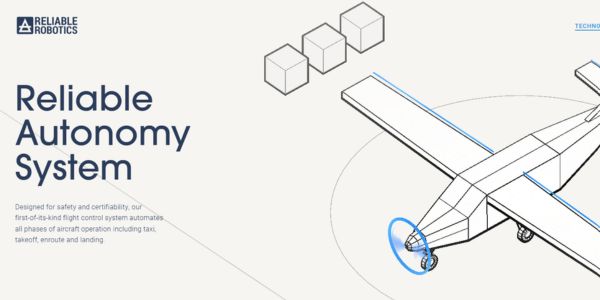
Reliable Robotics has secured $160M to scale production and deployment of its Reliable Autonomy System. This funding marks a pivotal transition for the company as it prepares for commercial cargo operations and works toward final FAA certification.
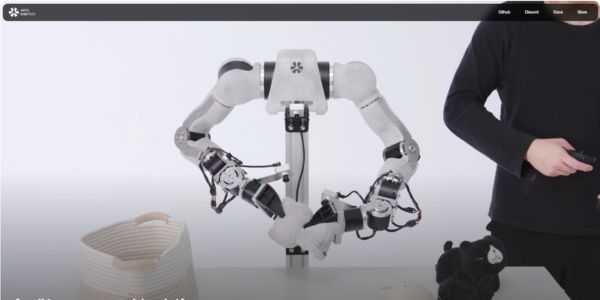
Anvil Robotics is building a physical AI modular robotics platform that replaces fragmented, bespoke stacks with composable hardware, software, and data tools. Founders, integrators, and investors should understand how this infrastructure shift could accelerate deployments in humanoids, logistics, and industrial automation.
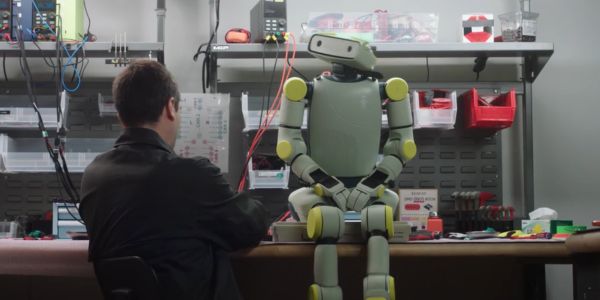
Amazon’s acquisition of Fauna Robotics brings the Sprout humanoid development platform into its Personal Robotics Group, highlighting a safety-first, developer-led approach to personal robots. The deal offers clues about how Amazon and other large buyers will evaluate humanoid platforms, from real-world deployments to exit opportunities for startups.
Mind Robotics has raised a $500 million Series A to build an AI-driven industrial automation platform trained on Rivian’s production lines. The Rivian spinout is targeting dexterous, variable factory tasks that traditional robots still struggle to automate, with a full-stack approach spanning models, hardware, and deployment infrastructure.
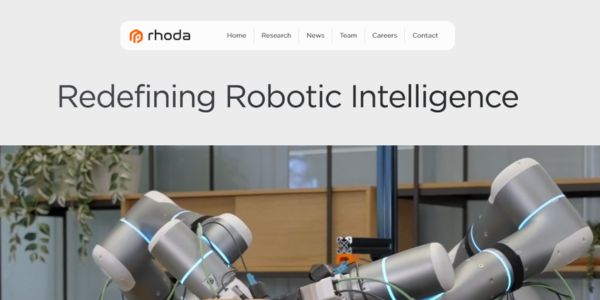
Rhoda AI has raised $450 million at a $1.7 billion valuation to launch FutureVision, a video-trained robot intelligence platform aimed at high-variability manufacturing and logistics. The feature examines the company’s Direct Video Action model, business model, and deployment challenges for founders, operators, and investors.
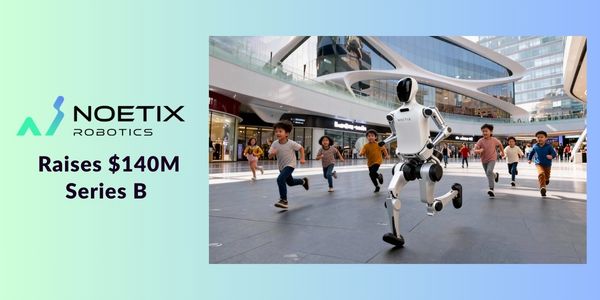
Noetix Robotics, a Beijing-based humanoid robotics startup, has closed a near-$140M Series B round to ramp up mass production and push its consumer-focused robots into everyday life.
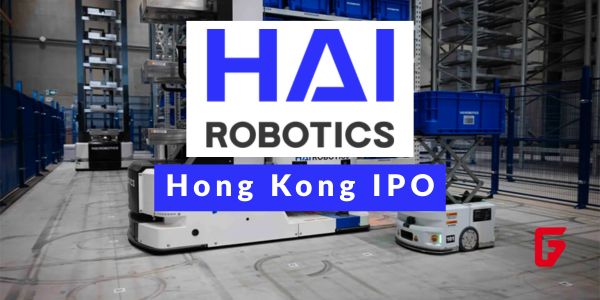
Shenzhen’s Hai Robotics, pioneer in ACR warehouse robots, files for HK IPO after raising over $500M in funding rounds led by top VCs.
Ouster’s $35M StereoLabs acquisition fuses lidar and ZED cameras into end-to-end Physical AI sensing. Founders Cecile Schmollgruber and team drive robotics revolution.
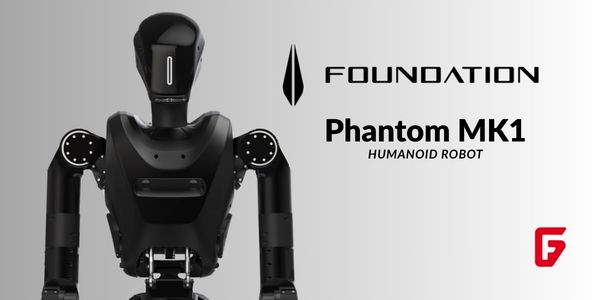
Foundation’s Phantom MK1 humanoid robot hits factories and eyes military use. Check specs, pilots, and bold 50k goal by 2027. Game-changer alert!
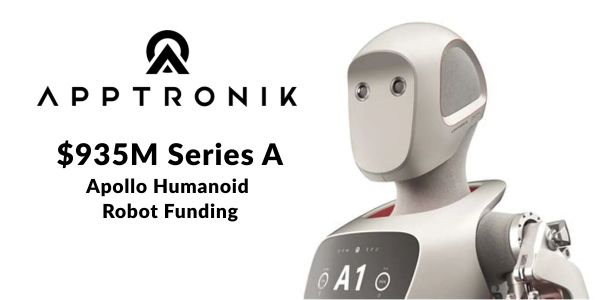
Humanoid robotics leader Apptronik just closed a massive $935M Series A, hitting a $5B valuation. Funds will boost Apollo production for factories and warehouses. Discover the investors and future plans.
Exciting news: Bedrock Robotics just scored $270M in Series B to power up autonomous machines on job sites. Led by ex-Waymo pros, they’re tackling construction labor shortages head-on.
futureTEKnow is focused on identifying and promoting creators, disruptors and innovators, and serving as a vital resource for those interested in the latest advancements in technology.
© 2026 All Rights Reserved.