





























Union City, California, USA
2018
Agricultural Technology, Precision Agriculture, Farming Automation, Sustainable Agriculture, Crop Management, Agricultural Machinery
Tensorfield Agriculture is an agricultural robotics company developing AI-powered weed control systems for specialty crop farming. Its technology combines computer vision, autonomous robotic equipment, and thermal micro-jetting to identify and eliminate weeds growing close to vegetable crops.
The company’s flagship robot, Jetty, applies precisely targeted doses of superheated vegetable oil to weeds without using conventional herbicides or mechanically disturbing the soil. Tensorfield focuses on high-density crops such as carrots, spinach, and lettuce, where manual weeding is labor-intensive and accurate crop protection is essential.
Tensorfield Agriculture develops robotic systems that automate weed removal in commercial vegetable fields. Its Jetty robot uses cameras and machine learning models to distinguish weeds from cultivated plants, then delivers controlled thermal treatments to selected targets.
The company’s thermal micro-jetting technology uses a fixed array of miniature spray nozzles to apply heated vegetable oil directly to weed foliage. The thermal energy damages plant tissue, eliminating weeds without requiring soil cultivation or conventional chemical herbicides.
Tensorfield also conducts commercial field trials and robotic weeding services with agricultural growers. These deployments measure weed control effectiveness, crop safety, operating speed, and economic performance while providing data used to refine its detection models and robotic equipment.
Tensorfield Agriculture combines computer vision, deep learning, robotics, and thermal micro-jetting to automate weed control in densely planted vegetable crops. Its Jetty robot analyzes field imagery in real time, distinguishes crop plants from weeds, and activates precision spray nozzles to treat selected targets.
The company’s patented thermal micro-jetting approach delivers small quantities of superheated vegetable oil onto weed foliage. Unlike conventional herbicide spraying, this treatment relies on thermal energy rather than chemical toxicity. It also avoids the soil disturbance associated with mechanical cultivation.
Jetty incorporates a 232-nozzle fixed spray array covering an 80-inch growing bed. Tensorfield reports targeting precision of approximately one-quarter inch at a travel speed of 1.2 miles per hour. The fixed-nozzle architecture allows the system to treat multiple weeds without individually repositioning a spray head for every target.
Depth cameras map the crop bed surface, while a self-leveling mechanism maintains the spray equipment close to the plants. Machine learning models identify weeds and crops, and software-defined protection zones help reduce unintended treatment of cultivated plants.
Field trials have also informed improvements to thermal dosing, nozzle design, and crop protection. Tensorfield adjusts treatment parameters to account for weed size, crop spacing, environmental temperature, and growing conditions. Its software collects field data, including crop position and stand counts, to support operational evaluation.
Weed control remains a major challenge in specialty crop production, particularly in organic farming where conventional herbicide options are limited. Hand weeding requires substantial labor, while mechanical cultivation can disturb soil and damage crops growing close together.
Tensorfield addresses these challenges through robotic thermal weed control, combining automated plant identification with targeted heat treatment. Its technology can remove weeds within densely planted crop rows without relying on conventional herbicides or physical soil disturbance.
The company’s approach demonstrates how computer vision and precision robotic application can support agricultural operations beyond traditional spraying and mechanical weeding. Its commercial field trials are evaluating whether this method can deliver consistent weed control, protect crop yields, and reduce the cost of labor-intensive farming activities.
Jetty is Tensorfield Agriculture’s AI-powered robotic weeding platform for high-density vegetable crops. It combines real-time computer vision, machine learning, and a fixed array of thermal spray nozzles to detect and eliminate weeds using superheated vegetable oil. The system is designed to treat weeds growing close to cultivated plants without conventional herbicides or mechanical soil disturbance.
Tensorfield’s proprietary thermal micro-jetting system applies precisely controlled doses of heated vegetable oil to individual weeds. Jetty uses 232 miniature nozzles across an 80-inch growing bed, with a reported targeting resolution of approximately one-quarter inch. Its fixed-array design enables treatment of multiple weeds while maintaining consistent forward movement.
The company’s computer vision software uses machine learning to distinguish weeds from crop plants in real time. Depth sensing and crop protection zones help determine treatment locations, while adjustable target thresholds allow the system to account for crop size, weed density, and field conditions.
Tensorfield has been testing a weeding-as-a-service model with commercial growers. Its trial pricing combines a fixed per-acre charge with a variable component based on the number of weed treatments delivered. Field deployments also provide performance data for evaluating weed control effectiveness, crop safety, and operating costs.
Organic Weed Control: Eliminating weeds using heated vegetable oil rather than conventional chemical herbicides.
Precision Agriculture: Applying thermal treatments to individual weeds identified through AI-powered computer vision.
Specialty Crop Farming: Supporting weed management in densely planted vegetables, including carrots, spinach, and lettuce.
Soil-Preserving Weed Management: Removing weeds without the soil disturbance associated with mechanical cultivation.
Agricultural Labor Automation: Reducing dependence on repetitive manual weeding operations through robotic field equipment.
Commercial Field Trials: Measuring weed control performance, crop protection, and operational economics in working agricultural fields.
Tensorfield Agriculture is a robotics company developing AI-powered agricultural machines that identify and eliminate weeds using precisely targeted jets of heated vegetable oil.
Jetty is a robotic weeding system that combines computer vision, machine learning, and thermal micro-jetting to treat weeds in vegetable fields without conventional herbicides or soil disturbance.
Thermal micro-jetting delivers small, precisely targeted doses of superheated vegetable oil to weed foliage. The heat damages plant tissue and causes the treated weeds to die.
Yes. Tensorfield uses computer vision and machine learning to distinguish crop plants from weeds and determine where its robotic system should apply thermal treatments.
Tensorfield focuses on specialty vegetable crops, including carrots, spinach, and lettuce. Its Jetty robot has undergone field testing in commercial carrot production.
Tensorfield describes its thermal micro-jetting technology as suitable for organic farming because it uses heated vegetable oil rather than conventional herbicides. Growers should confirm compliance with the requirements of their specific organic certification program.
Tensorfield has conducted commercial field trials and offers growers the opportunity to arrange demonstrations and trials. Its public information does not establish widespread commercial deployment.
Have an update, correction, or additional information about this company? Help us keep the futureTEKnow company database up to date by submitting the latest company information.

X Square Robot has raised $276M from Xiaomi, Sequoia China, and other internet giants to scale its WALL-A embodied AI model and wheeled humanoid robots from household cleaning into factories, logistics, and eldercare, reshaping how physical work is automated in China.
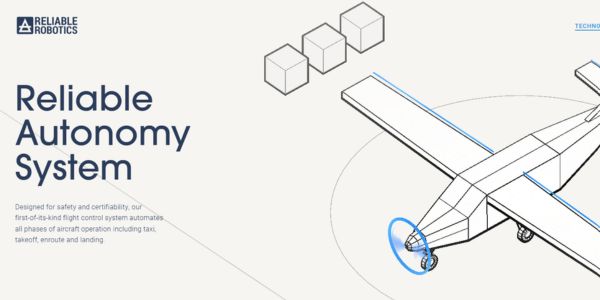
Reliable Robotics has secured $160M to scale production and deployment of its Reliable Autonomy System. This funding marks a pivotal transition for the company as it prepares for commercial cargo operations and works toward final FAA certification.
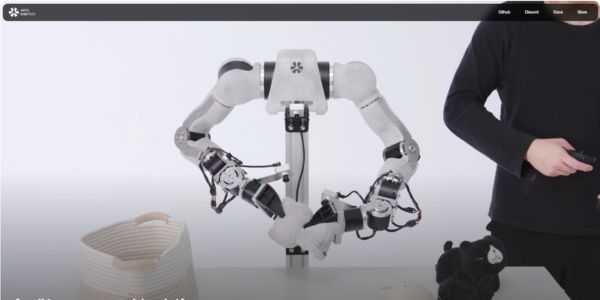
Anvil Robotics is building a physical AI modular robotics platform that replaces fragmented, bespoke stacks with composable hardware, software, and data tools. Founders, integrators, and investors should understand how this infrastructure shift could accelerate deployments in humanoids, logistics, and industrial automation.
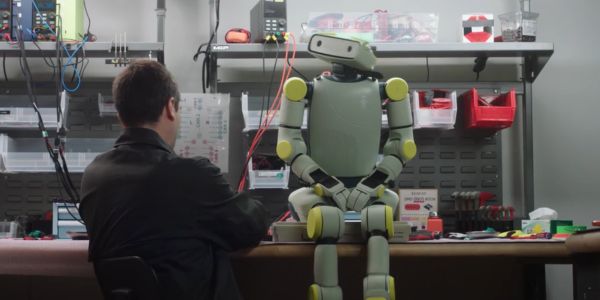
Amazon’s acquisition of Fauna Robotics brings the Sprout humanoid development platform into its Personal Robotics Group, highlighting a safety-first, developer-led approach to personal robots. The deal offers clues about how Amazon and other large buyers will evaluate humanoid platforms, from real-world deployments to exit opportunities for startups.
Mind Robotics has raised a $500 million Series A to build an AI-driven industrial automation platform trained on Rivian’s production lines. The Rivian spinout is targeting dexterous, variable factory tasks that traditional robots still struggle to automate, with a full-stack approach spanning models, hardware, and deployment infrastructure.

Rhoda AI has raised $450 million at a $1.7 billion valuation to launch FutureVision, a video-trained robot intelligence platform aimed at high-variability manufacturing and logistics. The feature examines the company’s Direct Video Action model, business model, and deployment challenges for founders, operators, and investors.
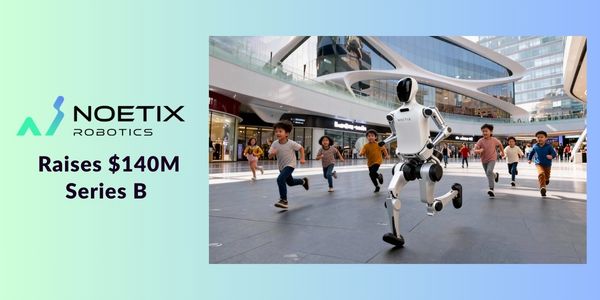
Noetix Robotics, a Beijing-based humanoid robotics startup, has closed a near-$140M Series B round to ramp up mass production and push its consumer-focused robots into everyday life.
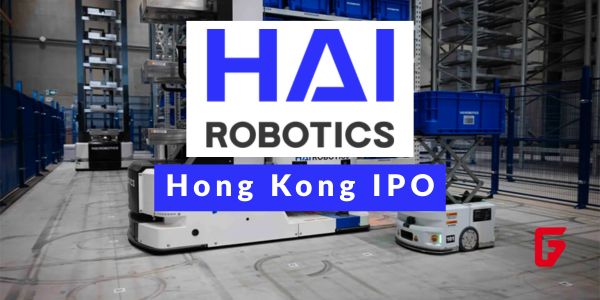
Shenzhen’s Hai Robotics, pioneer in ACR warehouse robots, files for HK IPO after raising over $500M in funding rounds led by top VCs.

Ouster’s $35M StereoLabs acquisition fuses lidar and ZED cameras into end-to-end Physical AI sensing. Founders Cecile Schmollgruber and team drive robotics revolution.
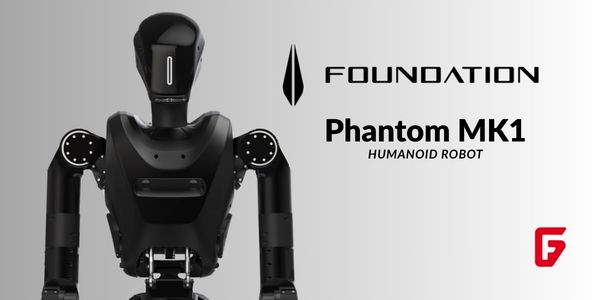
Foundation’s Phantom MK1 humanoid robot hits factories and eyes military use. Check specs, pilots, and bold 50k goal by 2027. Game-changer alert!
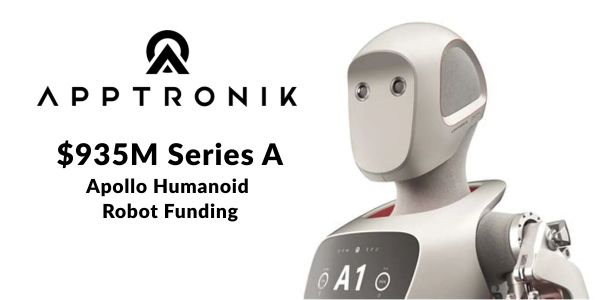
Humanoid robotics leader Apptronik just closed a massive $935M Series A, hitting a $5B valuation. Funds will boost Apollo production for factories and warehouses. Discover the investors and future plans.
Exciting news: Bedrock Robotics just scored $270M in Series B to power up autonomous machines on job sites. Led by ex-Waymo pros, they’re tackling construction labor shortages head-on.
futureTEKnow is focused on identifying and promoting creators, disruptors and innovators, and serving as a vital resource for those interested in the latest advancements in technology.
© 2026 All Rights Reserved.