
Startups & Business News
Chai Discovery Raises $70M: AI Redefines Antibody and Drug Design
KEY POINTS
Chai Discovery raised $70 million in Series A funding, led by Menlo Ventures, to advance its AI-driven drug discovery platform.
The company’s Chai-2 model achieves a nearly 20% hit rate for fully de novo antibody designs—over 100x higher than established methods.
Former Pfizer Chief Scientific Officer Mikael Dolsten joins the board, infusing deep pharma expertise into the leadership team.
Founded in 2024, Chai Discovery partners with top investors including OpenAI and aims to rapidly accelerate the development of new therapeutics.
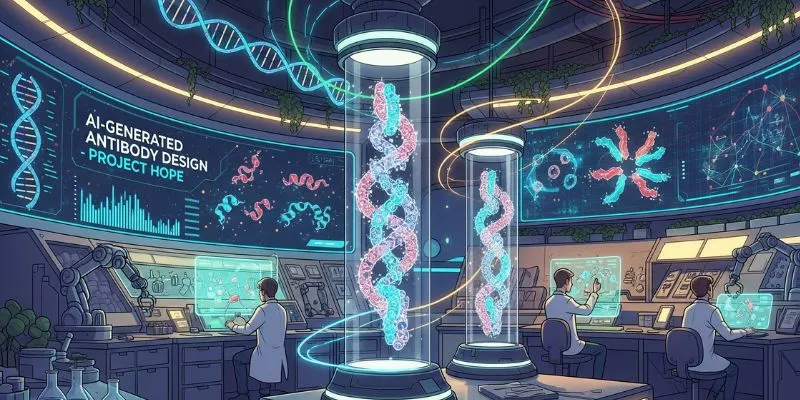
What Makes Chai Discovery Different?
How Is Chai’s AI Model Chai-2 Changing Antibody Discovery?
Speed: A process that took years and millions of dollars can now yield working antibodies in as little as two weeks.
Versatility: Chai-2 supports formats including nanobodies and miniproteins—crucial for next-generation therapeutics.
Robustness: Lab results show a 15-20% “hit rate” for new, previously untargeted antigens—a more than 100x improvement over older computational approaches.
Minimal screening: Chai-2 generates a shortlist of high-potential candidates, eliminating massive expensive screens.
The upshot? Drug developers now have a shot at previously “undruggable” or prohibitively expensive targets.
What’s Next, and Why Does It Matter for Drug Development?
Additional Highlights
Chai-2 found a solution in hours to one antibody problem that had cost another company over $5 million and three years, with validation happening in under two weeks.
Using only a target antigen and epitope, Chai-2 can generate—in a “Photoshop for proteins” style—designs tailored to exactly fit their biological target.
Antibody drugs, vaccines, and emerging therapies could become dramatically faster and cheaper to develop, bringing new hope for diseases that have stymied researchers for decades.
Chai Discovery’s commercial rollout will be selective, focusing on responsible deployment and vetted partnerships.

Elena Rossi is a Senior Staff Writer at futureTEKnow, covering AI, foundation models, autonomous agents, and the infrastructure powering the next wave of intelligent applications.
Discover the companies and startups shaping tomorrow — explore the future of technology today.
Most Popular



Trending Companies
Latest Articles
futureTEKnow is focused on identifying and promoting creators, disruptors and innovators, and serving as a vital resource for those interested in the latest advancements in technology.
© 2026 All Rights Reserved.