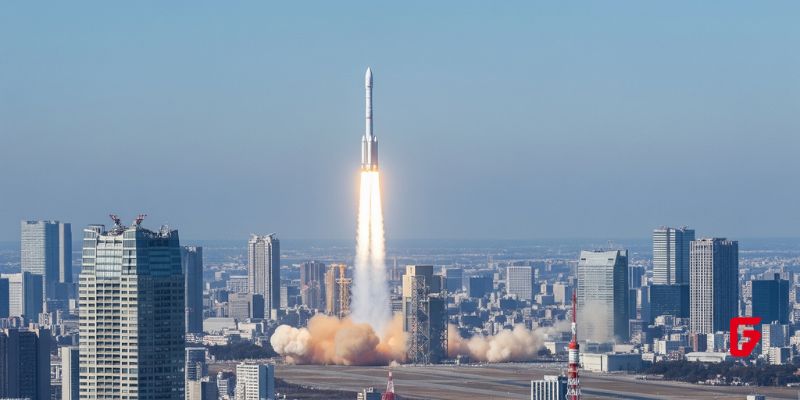
Japan’s private space sector just got a major boost: Interstellar Technologies has landed a $62 million Series F funding round, led by Sumitomo Mitsui Banking Corporation, Space Frontiers Fund II, and Japanet Holdings, marking one of the largest investments in the country’s commercial space industry to date. This fresh capital signals a pivotal moment for Japan’s ambitions in orbital launch technology, and positions Interstellar as a key player in the global race for affordable, reliable access to space.
“Interstellar has been at the forefront of private space transportation in Japan, becoming the first domestic private company to reach space. As we look to expand our rocket and satellite communications businesses globally from our base in Taiki, Hokkaido, working with the best partners is essential. – Takahiro Inagawa, Director of the Board, Chief Executive Officer, Interstellar Technologies
Why This Funding Matters
The $62 million investment—led by major Japanese venture capital firms and strategic partners—underscores growing confidence in private launch providers as governments and commercial operators seek alternatives to established giants. Interstellar’s focus: developing cost-effective, reusable rockets capable of delivering small satellites to orbit. As the demand for satellite launches surges worldwide, the ability to offer flexible, on-demand launch services is more valuable than ever.
What Sets Interstellar Apart
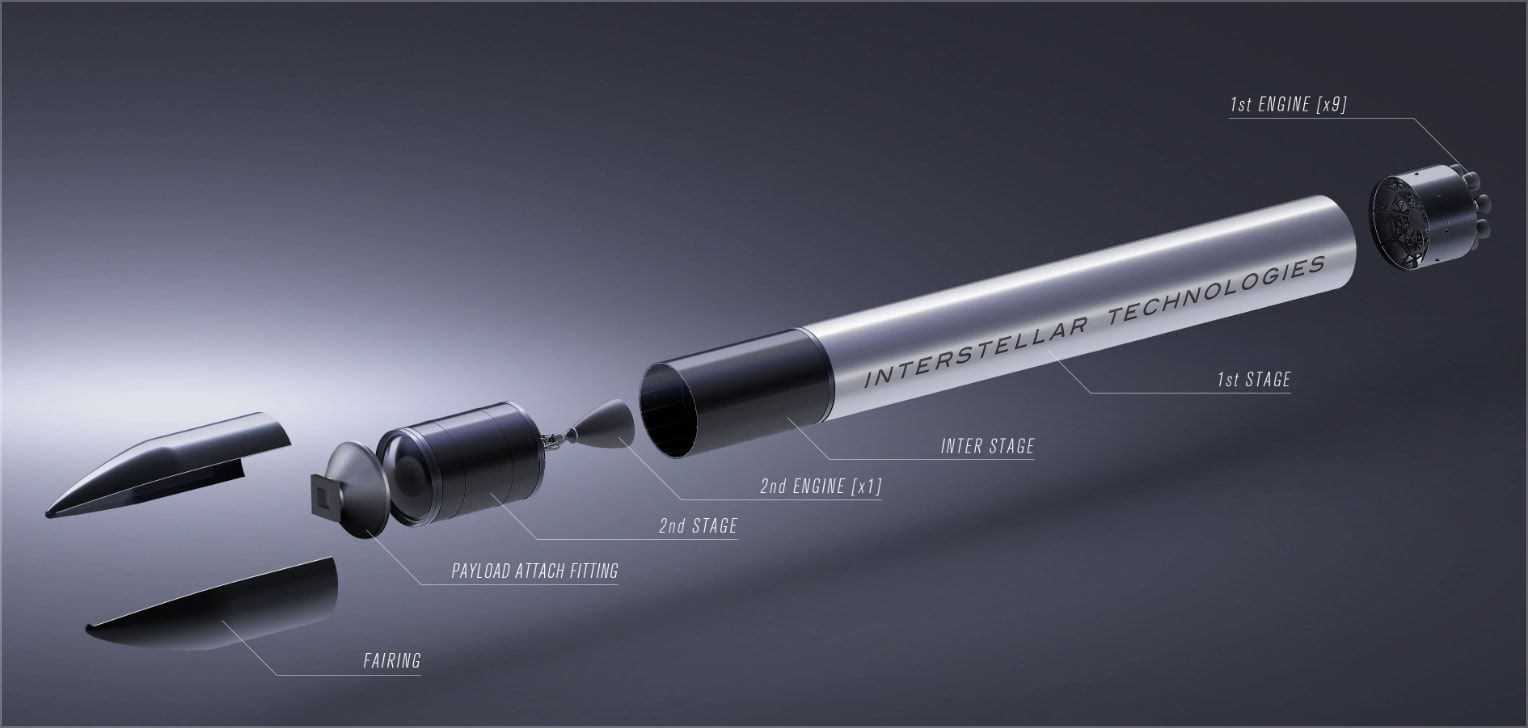
Founded in 2013, Interstellar has steadily built a reputation for engineering innovation and lean development cycles. The company’s flagship vehicle, the ZERO rocket, is designed for low-cost, high-frequency launches—a crucial capability as satellite constellations multiply and the market for micro-launchers heats up. By leveraging domestic manufacturing and modular design, Interstellar aims to drive down launch costs and make space more accessible for startups, researchers, and government agencies alike.
Strategic Impact for Japan’s Space Industry
This funding round is not just a win for Interstellar, but for Japan’s broader space ecosystem. It reflects a shift toward private-public collaboration, with government agencies increasingly looking to homegrown startups for orbital delivery solutions. As global competition intensifies—especially with the rise of SpaceX, Rocket Lab, and emerging players in Europe and China—Japan is betting on agile, innovative companies to secure its place in the new space economy.
What’s Next for Interstellar?
With new capital in hand, Interstellar plans to:
Accelerate development and testing of the ZERO rocket.
Expand manufacturing capacity for higher launch cadence.
Pursue international partnerships to broaden market reach.
Invest in advanced propulsion and reusability technologies.
The company’s roadmap includes commercial launches for domestic and international clients, with an eye on serving the rapidly growing small satellite market.
Key Takeaways
Interstellar’s $62 million Series F round is a milestone for Japan’s private space sector.
The company is focused on low-cost, reusable launch vehicles for small satellites.
Demand for flexible, on-demand launches is driving investment in private providers.
Japan is leveraging startup innovation to compete on the global stage.
As the space industry evolves, Interstellar’s progress will be watched closely—not just by investors, but by anyone tracking the future of affordable, accessible orbital launch.