
Startups & Business News
Waymo & Avis Partner to Bring Driverless Robotaxis to Dallas
KEY POINTS
Waymo is set to launch its fully autonomous ride-hailing service in Dallas by 2026, partnering with Avis Budget Group to manage and maintain its robotaxi fleet.
This marks Waymo’s first collaboration with a major rental car company, signaling an innovative operational shift to accelerate deployment and scalability.
Customers will hail rides through the Waymo app, with Avis handling vehicle charging, routine maintenance, and depot operations for the all-electric Jaguar I-Pace fleet.
- Waymo’s expansion strategy also includes upcoming launches in Miami and Washington, D.C., with ambitions to further reinforce its lead in the autonomous mobility sector.
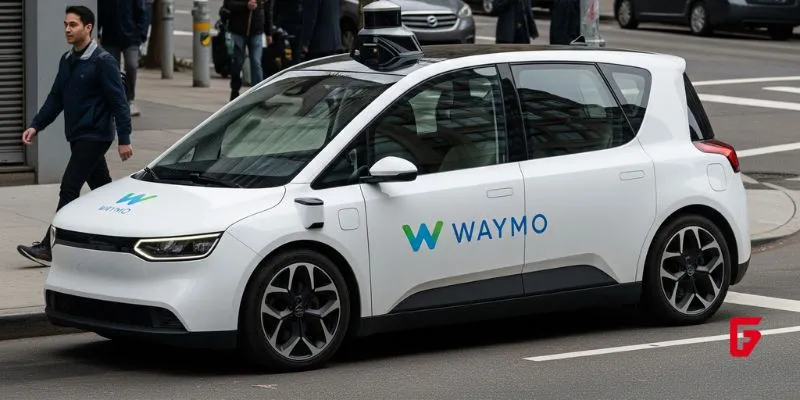
The Future of Ride-Hailing Rolls into Texas
Autonomous vehicles are no longer just a vision for the future—they’re becoming an urban transportation reality. Nowhere is this more evident than in Waymo’s latest partnership with Avis Budget Group, which aims to launch fully driverless ride-hailing in Dallas by 2026.
This ambitious move is Waymo’s second major expansion into Texas—following its Austin deployment—and demonstrates a decisive push to scale robotaxi services beyond the West Coast. Under the new arrangement, customers will request rides via the Waymo app, while Avis takes charge of day-to-day fleet operations, including charging and maintenance. This collaboration allows Waymo to focus squarely on perfecting its self-driving technology, while leveraging Avis’s operational experience to streamline entry into new markets.
Why Dallas? A High-Stakes Testbed
Dallas’s selection is no accident. With one of the highest traffic fatality rates among large U.S. cities, Dallas offers both a challenging proving ground for safety technology and a critical market opportunity. Waymo’s Dallas rollout is expected to bolster its fleet with up to 3,500 vehicles in partnership with Avis, helping address local transit safety and congestion issues.
Expansion is Just Getting Started
Waymo’s playbook for growth is clear: enter new markets with deep preparation, city-specific partnerships, and a methodical approach to public testing. After initial road mapping and pilot operations (with human safety drivers), the company plans to transition to fully autonomous rides following regulatory approval and validation. By 2026, Dallas will join Miami and Washington, D.C., as part of Waymo’s next wave of national expansion.
The Competitive Playing Field
While Waymo leads the U.S. robotaxi market—delivering over 250,000 weekly paid rides across five metro areas—competition is intensifying. Tesla’s robotaxi program is still in “supervised” mode in Austin, and Amazon’s Zoox is prepping for a Las Vegas launch. Meanwhile, rivals like GM Cruise face regulatory and operational setbacks. Waymo’s city-by-city, safety-first strategy and multi-sensor approach (mixing lidar, radar, and cameras) continue to set it apart from competitors, especially those banking on camera-only solutions.
From Car Rental to Fleet Management: Avis’s Big Pivot
For Avis Budget Group, the partnership is transformational. With car rental margins increasingly squeezed, fleet management for next-gen mobility offers a path forward. Avis CEO Brian Choi describes this deal as a “pivotal milestone” in its shift from traditional rentals to a mobility services powerhouse, overseeing not just Waymo’s Dallas fleet, but potentially other cities as the partnership evolves.
What’s Next for Urban Mobility?
The rise of autonomous vehicles is reshaping the future of city transportation—reducing accidents, reimagining city layouts, and lowering the barrier to safe, low-cost mobility. But Waymo’s cautious, incremental expansion—grounded in operational realism and regulatory engagement—remains key to winning mainstream acceptance and outpacing competitors.
The Dallas robotaxi launch isn’t just a new chapter for Waymo and Avis; it’s a pivotal moment in the self-driving revolution, showcasing how technology, partnerships, and city leadership can come together to shape the mobility landscape of tomorrow

futureTEKnow
Editorial Team
Discover the companies and startups shaping tomorrow — explore the future of technology today.



Trending Companies
Latest Articles
futureTEKnow is focused on identifying and promoting creators, disruptors and innovators, and serving as a vital resource for those interested in the latest advancements in technology.
© 2026 All Rights Reserved.