
Startups & Business News
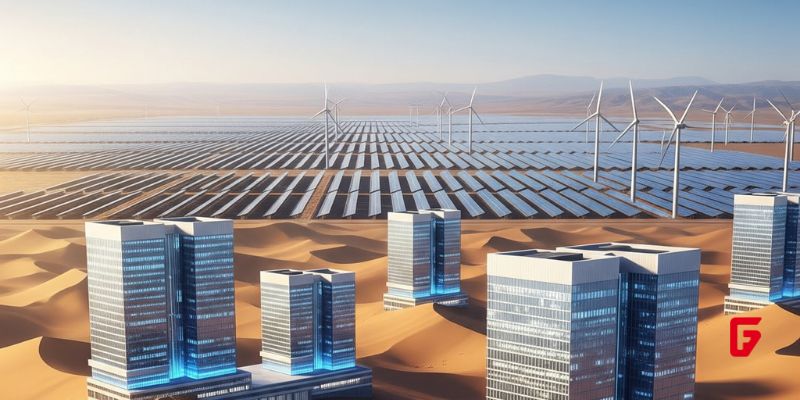
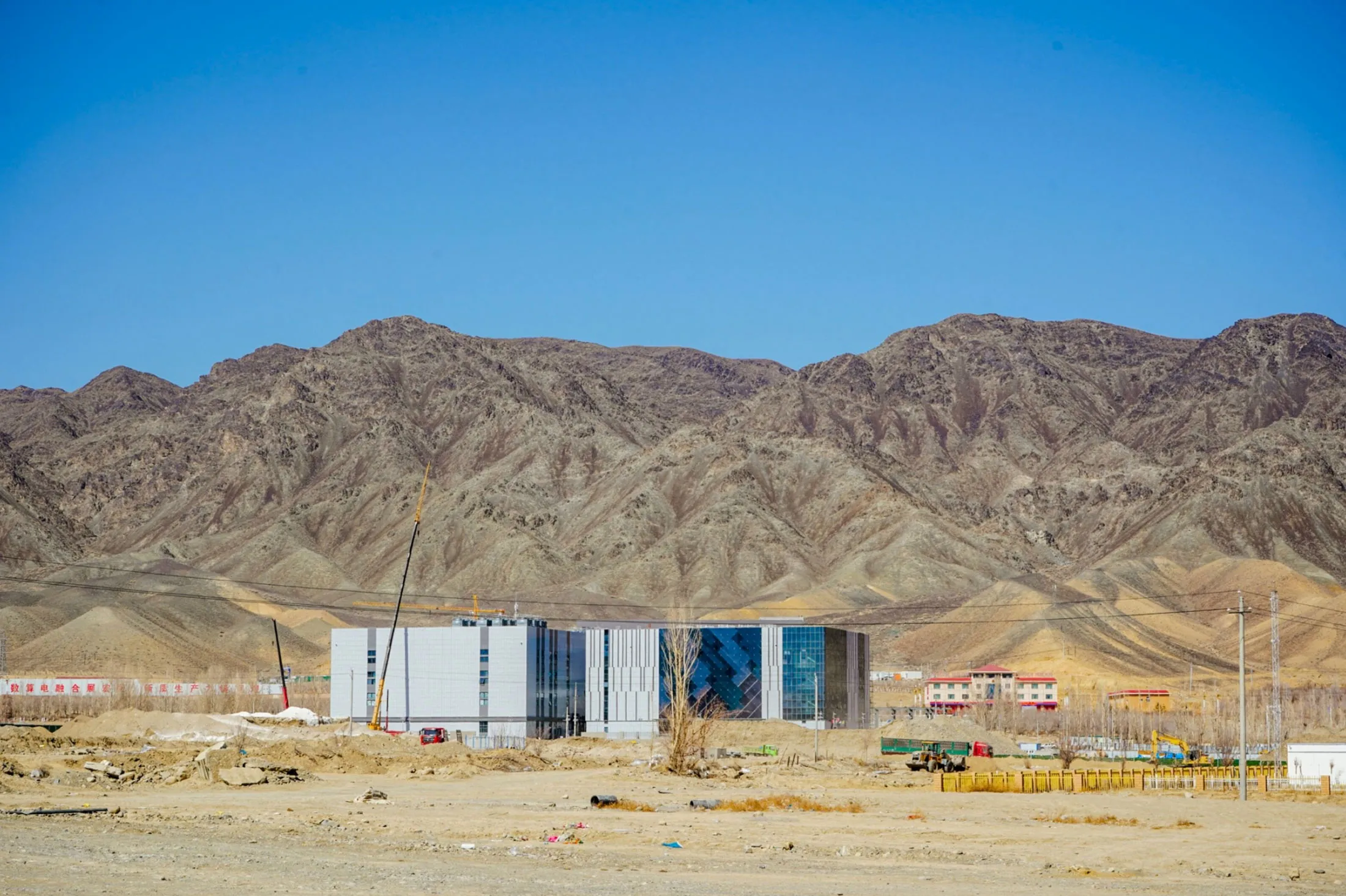
In the vast, remote stretches of the Gobi Desert in northwestern China, a technological revolution is quietly transforming barren land into a hub of advanced computing power. Over 40 new data centers are emerging from the sands near Xinjiang, signaling the country’s determination to become a global leader in artificial intelligence.
The Hardware Powering China’s AI Push
At the heart of this movement are more than 115,000 high-performance NVIDIA AI chips—semiconductors currently banned from direct export to China by the US government. Despite these restrictions, Chinese firms are mapping out massive infrastructure projects specifically designed around these powerful processors. Whether these ambitious purchase plans are fully executable amid export controls or serve as aspirational targets, they shine a spotlight on China’s intent to cultivate an AI ecosystem at scale.
Why the Desert?
Building crucial tech infrastructure in the middle of the Gobi might seem unconventional, but there’s clear strategy behind the move:
Low Land Costs: Real estate in remote regions like Xinjiang is significantly cheaper than in major cities, allowing companies to build sprawling, energy-intensive data centers with lower overhead.
Access to Renewable Energy: The region boasts abundant wind and solar power farms, aligning with China’s broader commitment to sustainable development. Data centers are notorious for their energy demands, so using green energy directly supports the country’s twin goals of tech leadership and reduced carbon footprint.
National Priorities: Locating these data centers in the west also plays into broader national policies aimed at developing less-populated regions while bolstering China’s self-reliance in core technologies.
Navigating Global Trade Restrictions
The plan to equip these desert complexes with restricted AI chips has intensified tensions between the US and China. While specifics remain unclear on how such a large volume of chips might be procured under current export laws, the scale of the proposal underscores the stakes in the global AI race. Workarounds could involve sourcing through third-party nations or alternate suppliers, a dynamic already being closely monitored by trade and technology watchers.
What’s at Stake
If realized, these Gobi-based data centers would anchor China’s ambitions to match or exceed Western capabilities in AI research, machine learning, and digital innovation. The focus on energy efficiency, geographic diversification, and sheer computing scale positions the region as a test case for future global data center development—one where location, sustainability, and next-gen hardware converge.
The Bottom Line
From the outside, Xinjiang’s desert data center boom looks like a bold bet on the future. For China, it’s a calculated, strategic move—and a demonstration that the pursuit of AI dominance is being built from the ground up, even in the most unlikely places.

futureTEKnow
Editorial Team
Discover the companies and startups shaping tomorrow — explore the future of technology today.
Most Popular
Trending Companies
Latest Articles
futureTEKnow is focused on identifying and promoting creators, disruptors and innovators, and serving as a vital resource for those interested in the latest advancements in technology.
© 2026 All Rights Reserved.