
Startups & Business News
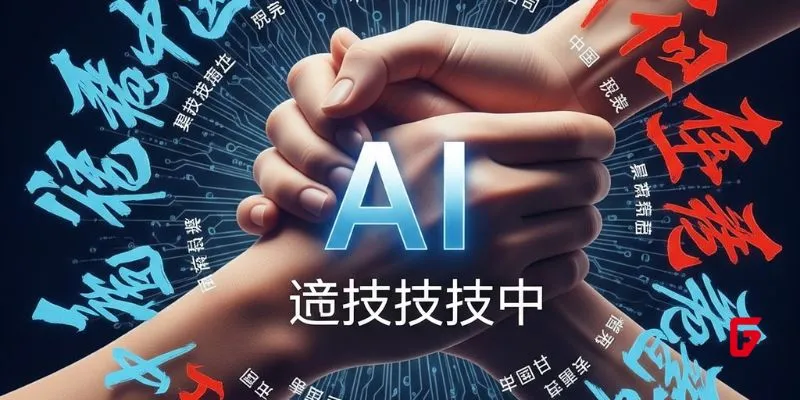
A New Era for Chinese AI
As U.S. chip export restrictions tighten, China’s artificial intelligence industry is rallying with unprecedented speed and collaboration. At this year’s World Artificial Intelligence Conference (WAIC) in Shanghai, the formation of two landmark alliances marks a bold, coordinated effort to secure technological sovereignty and foster innovation in artificial intelligence (AI) hardware and software.
Building a Homegrown AI Supply Chain
The Model-Chip Ecosystem Innovation Alliance stands out as a practical solution for overcoming U.S. export curbs. This alliance brings together large language model (LLM) developers and the nation’s top AI chipmakers (including Huawei, Biren, Moore Threads, and Enflame) to connect the entire technology chain—from chips to infrastructure. The aim is simple: cultivate an ecosystem where Chinese-developed chips and software can work in harmony, untouched by foreign supply chain disruptions.
As StepFun, a leading LLM developer, revealed at the conference, “We’re building an innovative ecosystem that links every layer—from cutting-edge chips to cloud-based AI services.”
Industrial Integration: AI for the Real World
The Shanghai General Chamber of Commerce AI Committee focuses on the real-world impact of AI. Think of this group as the engine behind AI’s transition from the lab to factory floors and city streets. With members like SenseTime, which has pivoted from facial recognition to sophisticated LLMs under U.S. sanction pressure, and chipmakers Metax and Iluvatar CoreX, the alliance is driving deep integration of AI across industries.
Tech on Display: Innovations That Matter
At the conference, Huawei stole the spotlight with its new CloudMatrix 384 system. This high-performance cluster packs 384 Ascend 910C chips connected in an all-optical, all-to-all mesh network—delivering a whopping 300 petaflops of compute. While these chips lag Nvidia’s at the individual level, Huawei’s architectural wizardry means the overall system is a serious contender, boasting more memory bandwidth, massive scale, and reimagined interconnects.
Other firms joined the hardware show:
Metax showed off an AI supernode with 128 C550 chips, optimized for large, energy-efficient data centers.
Tencent took the wraps off the Hunyuan3D World Model 1.0, an open-source marvel for effortless creation of immersive 3D environments for games, VR, and digital content. Users can build 360° virtual worlds from single images or text prompts, making advanced content creation accessible—even to hobbyists.
Alibaba’s Quark AI Glasses—slim, voice-activated, and bristling with smart features—promise real-time translation, navigation, and seamless integration with Taobao and Alipay when they debut in China later this year.
Why Alliances Matter: A Strategic Pivot
These new alliances go beyond coping with sanctions. By pooling resources, sharing intellectual property, and advocating for standardized protocols, they provide the glue for a self-reliant AI infrastructure. Over 100 companies and major research institutions are now part of this drive, demonstrating China’s collective push to break free from U.S.-dominated supply chains and shape the future of AI on their own terms.
The message from Shanghai is clear: China’s AI industry refuses to stand still in the face of foreign pressure. Through focused alliances and headline-grabbing product launches, they’re not just catching up—they’re setting the stage for a new era of collaborative, innovation-driven technological independence. If these moves continue gathering momentum, expect China’s AI ecosystem to become a reference point, not just for the region, but for the world.

futureTEKnow
Editorial Team
Discover the companies and startups shaping tomorrow — explore the future of technology today.
Most Popular
Trending Companies
Latest Articles
futureTEKnow is focused on identifying and promoting creators, disruptors and innovators, and serving as a vital resource for those interested in the latest advancements in technology.
© 2026 All Rights Reserved.