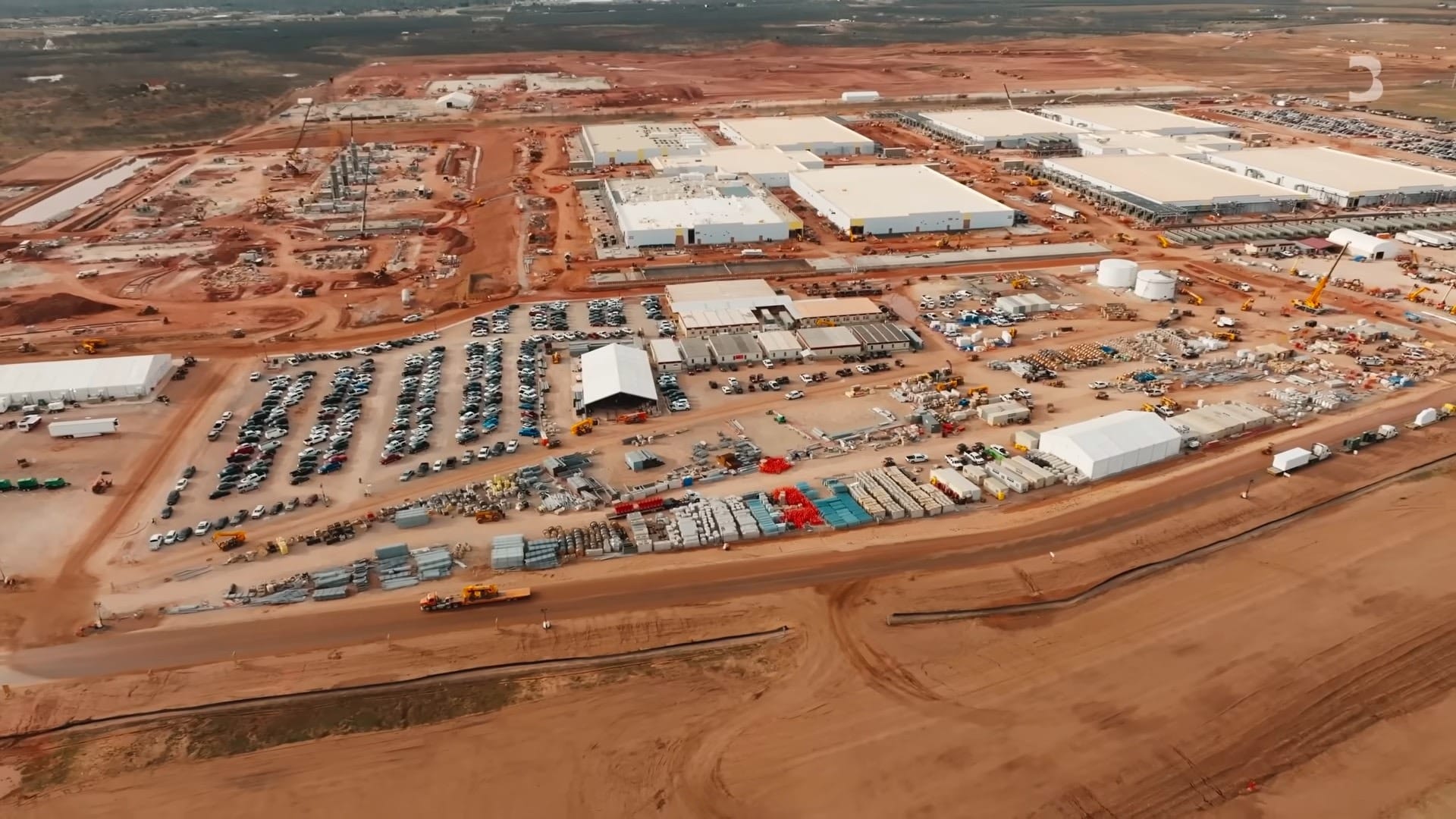
A barren field in Abilene, Texas is being transformed into the epicenter of what may become the largest infrastructure project in human history. The site, now bustling with over 2,200 workers and heavy machinery, is home to Project Stargate—a bold $500 billion initiative led by OpenAI, in partnership with SoftBank and Oracle, to build one of the world’s largest AI data centers.
A Historic Bet on Artificial Intelligence
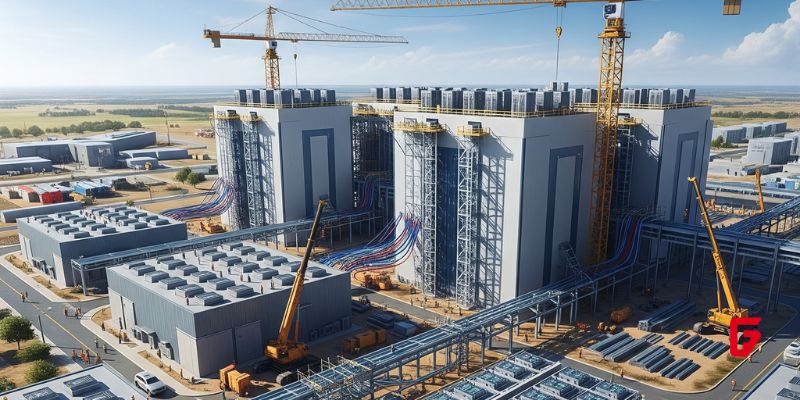
Announced the day after President Trump’s inauguration, Stargate represents a monumental commitment to the future of artificial intelligence. The project’s first phase in Abilene, dubbed Project Ludicrous (a nod to its ambitious speed and scale), is slated for completion by mid-2026. The site will eventually feature eight massive buildings housing up to 400,000 interconnected GPUs, making it one of the world’s largest compute clusters.
The Global AI Race
Stargate is not alone in the race. Major tech giants like Microsoft, Meta, Google, Amazon, and xAI are pouring tens of billions into their own AI data centers across the globe. The goal is clear: to build the most capable AI systems and, ultimately, to achieve artificial general intelligence (AGI)—AI that can think and learn like a human, or even better.
Altman notes that the demand for compute power has far outpaced early expectations. After the launch of GPT-4, it became clear that user adoption would drive the need for unprecedented infrastructure growth.
Engineering at Unprecedented Scale
The physical scale of Stargate is staggering. The construction site is a hive of activity, with 155 vehicles moving earth and a 600-ton crane—capable of lifting the weight of a hundred elephants—on site. Workers have come from seven different states, making Stargate a major employer and economic force in the region.
Chase Lochmiller, founder of Crusoe (the startup overseeing the build), brings a unique background in physics, finance, and crypto mining. His experience in deploying modular data centers near oil rigs—using stranded natural gas to power Bitcoin mining—proved invaluable. The core similarity between crypto mining and AI data centers? Both are energy-intensive and location-agnostic, allowing for innovative approaches to infrastructure.
Energy, Risks, and the Future
The project faces significant energy challenges. Data centers of this magnitude require vast amounts of power, prompting new approaches to sourcing and sustainability. The team is also acutely aware of the risks—from economic booms and busts to the broader societal impact of AI on jobs and communities.
Yet, the partners remain optimistic. Masayoshi Son of SoftBank emphasizes their shared vision: “AGI will change mankind’s life in every aspect, and we are lucky to see this enormous revolution.”
A Local and Global Phenomenon
While Abilene is the launchpad, the demand for compute infrastructure is a global phenomenon. Data centers are rising in Malaysia, Japan, and France, as governments and companies worldwide recognize their strategic importance.
Stargate’s leaders see this not as competition, but as evidence of a rapidly expanding sector driving human progress.