
Startups & Business News
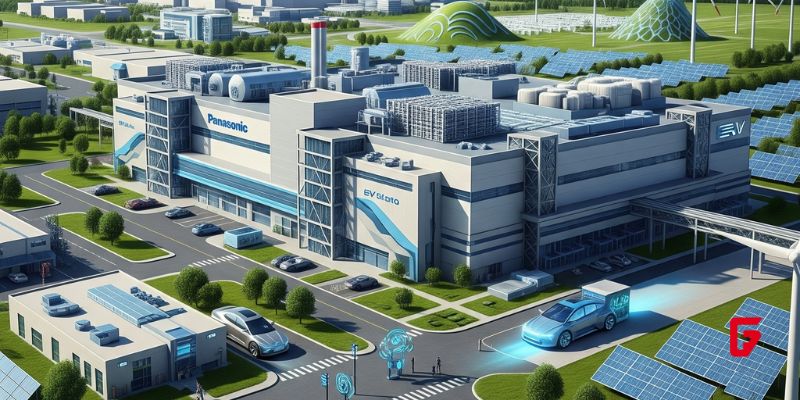
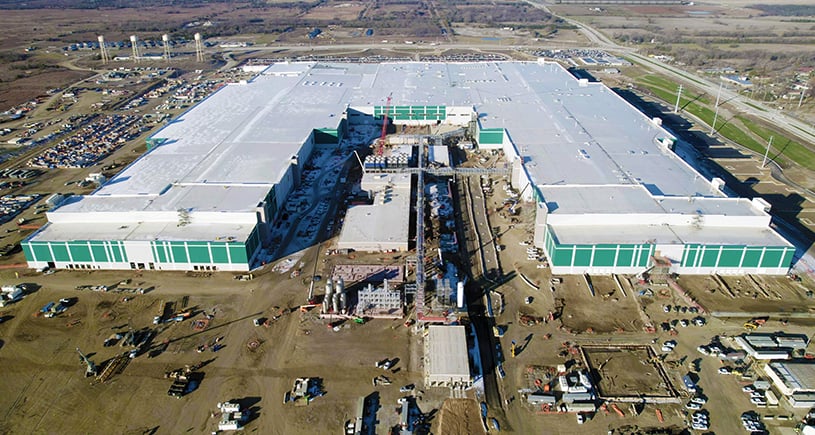
A major milestone for the U.S. electric vehicle industry was marked this week as Panasonic unveiled its massive new EV battery facility in De Soto, Kansas. This 4.7-million-square-foot plant—the size of 200 American football fields—represents a long-term vision, more than a decade in the making, to strengthen North American supply chains and accelerate the transition to cleaner transportation.
Why Kansas? A Strategic and Emotional Choice
Choosing Kansas wasn’t just about logistics. According to Panasonic North America CEO Megan Myungwon Lee, it came down to a combination of workforce availability, robust infrastructure, and a strong spirit of partnership with state and local officials. The presence of energy infrastructure and proactive governmental support helped Panasonic get construction—and battery production—off the ground with impressive speed. Notably, the company collaborated early with local schools and community colleges to create specialized training programs, ensuring a pipeline of skilled talent for the facility from day one.
Fast-Tracking American Battery Production
Production at the De Soto site officially began this year, just over two years since Panasonic broke ground on the project. The facility is expected to reach a capacity of 30 gigawatt-hours annually—enough to power approximately 500,000 electric vehicles per year.
Diversification is a key goal for Panasonic’s U.S. battery strategy. While Tesla remains a major customer and strategic partner, the Kansas plant will also supply batteries to emerging automotive names like Lucid and Hexagon, along with other established OEMs. This effort aims to broaden Panasonic’s customer base and reduce reliance on a single client within the fast-evolving EV landscape.
Localized, Resilient, and Sustainable Supply Chains
Supply chain resilience is top-of-mind for Panasonic. Lessons learned during the COVID-19 pandemic—and ongoing geopolitical shifts—have underscored the value of localized sourcing. The company’s target: make at least 50% of its U.S. supply chain fully local by 2030. This will not only insulate operations from global disruptions but also enable more agile and cost-effective production.
A significant challenge has been securing reliable, high-quality sources for raw materials and the critical refining processes required for advanced battery manufacturing. Panasonic is working to ensure that processing and procurement increasingly happen on-site or within North America, further decreasing exposure to international risks and tariffs.
Investment, Incentives, and the Road Ahead
So far, Panasonic has invested $4 billion in the De Soto plant, with up to $7 billion potentially available through the Inflation Reduction Act’s clean energy incentives. While there’s some uncertainty about ongoing legislative changes, the 45X manufacturing credit remains a promising avenue for long-term growth and job creation. These incentives are crucial, not just for Panasonic, but for the broader effort to establish a U.S.-centered clean technology ecosystem.
Looking Forward: Sustained Growth Despite Market Shifts
While some reports hinted at demand slowdowns, Panasonic insists it remains “bullish” on American EV adoption. Orders from customers are strong, and the company views this endeavor as a long-haul commitment—undaunted by short-term fluctuations. The rise of hybrid vehicles remains a variable, but Panasonic is positioned to adapt as the market continues its rapid evolution.
Panasonic’s Kansas plant symbolizes a new era for U.S. electrification: robust manufacturing capacity, a localized workforce, and a diversified supply chain—all set to push the boundaries of clean mobility and American industrial resilience.

futureTEKnow
Editorial Team
Discover the companies and startups shaping tomorrow — explore the future of technology today.
Trending Companies
Latest Articles
futureTEKnow is focused on identifying and promoting creators, disruptors and innovators, and serving as a vital resource for those interested in the latest advancements in technology.
© 2026 All Rights Reserved.