
Startups & Business News
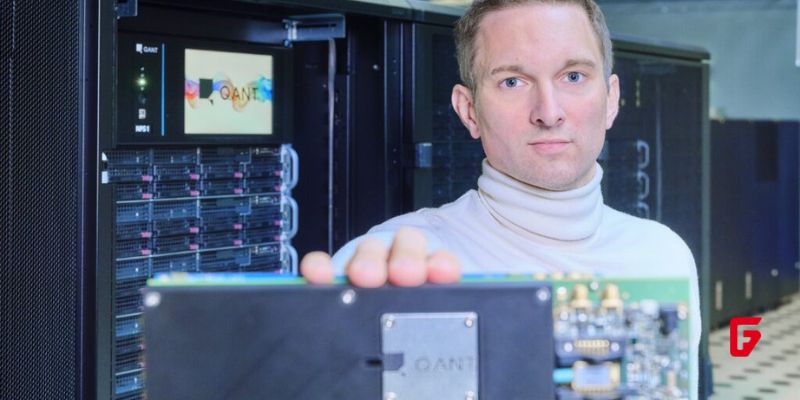
In a move that signals tectonic shifts in high-performance computing and artificial intelligence, Stuttgart-based Q.ANT just clinched a record-breaking €62 million funding round to push photonic processor technology from prototype to plug-and-play reality. Forget transistors and electrons—Q.ANT’s approach is all about computing with light, and the stakes couldn’t be higher.
“Q.ANT was founded with a bold vision: to redefine the way the world computes by using light instead of electricity”
– Dr. Michael Förtsch, founder and CEO of Q.ANT.
The Heart of the Disruption: Photonic Processing
Traditional silicon chips, the backbone of current data centers and AI systems, are running headlong into their physical and architectural limits. Parallelization and miniaturization have squeezed out the last dregs of performance, just as skyrocketing AI workloads send electricity demand through the roof. According to the International Energy Agency, data centers will soon outstrip Japan’s entire yearly power consumption. That’s not just expensive—it’s unsustainable.
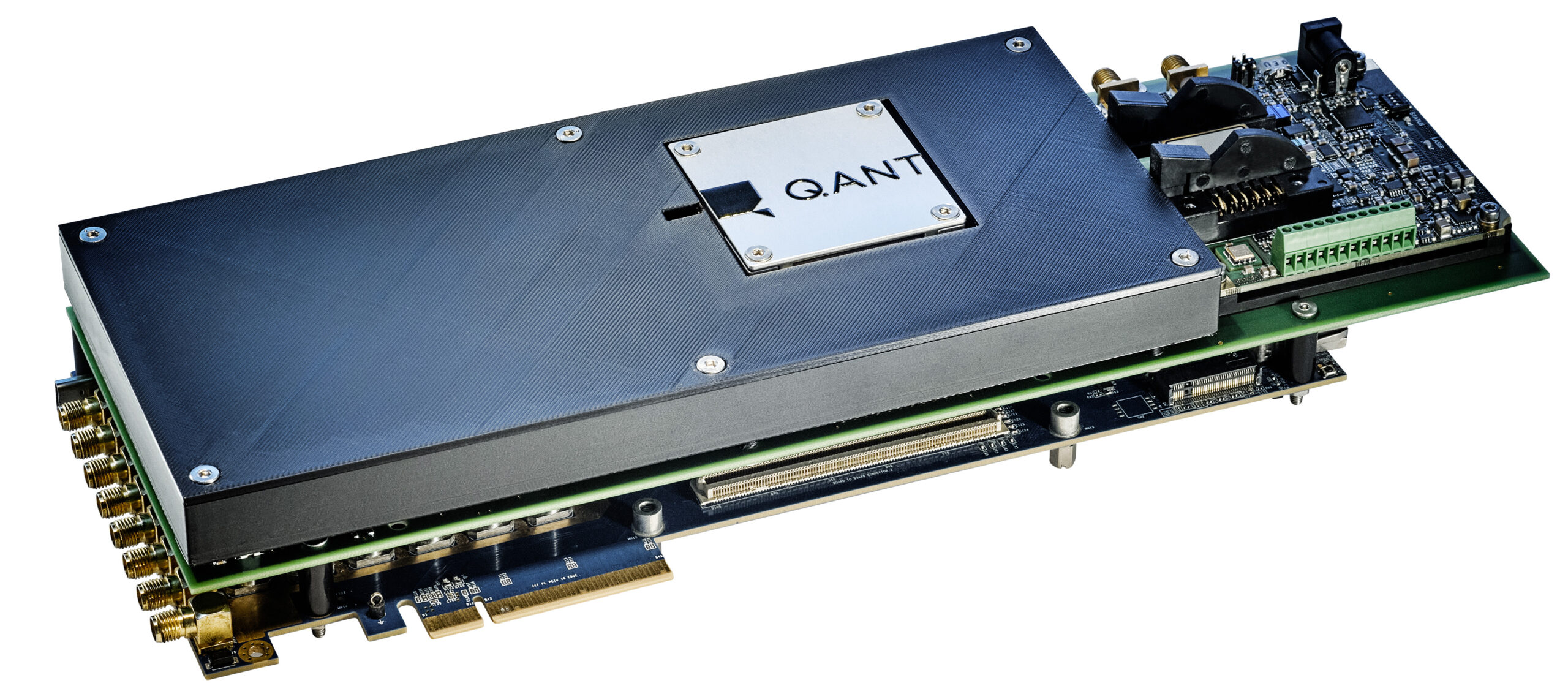
Enter Q.ANT’s analog alternative: photonic processors based on Thin-Film Lithium Niobate (TFLN). Rather than shuffling electrons, these chips manipulate light—bringing radical speed, low energy use, and near-zero on-chip heat.
What Makes Q.ANT’s Approach Stand Out?
Light Empowered Native Arithmetics (LENA) Architecture: Q.ANT’s proprietary platform natively executes complex mathematical operations with photons, streamlining tasks that would require thousands of transistors on a traditional chip.
Performance Uplift: Early testing demonstrates up to 30x greater energy efficiency and up to 50x higher performance for demanding AI/HPC workloads.
Plug-and-Play Integration: Q.ANT’s Native Processing Server has been designed for seamless drop-in co-processing with today’s data center infrastructure—no wild rewiring required.
Why Now? The Scale-Up Story
Only five years in the making, Q.ANT’s photonic processors are transitioning from laboratory curiosity to commercially-deployable hardware. Key investors—including Cherry Ventures, UVC Partners, imec.xpand, and seasoned names like TRUMPF and the European Super Angels Club—are placing their bets that Q.ANT can leapfrog the old guard in the battle for sustainable, scalable computing.
Why Does This Matter?
Data Center Revolution: By reducing power draw and largely avoiding heat generation, Q.ANT’s processors may allow 100x increase in compute density without exotic cooling or staggering overhead.
AI at Scale, Reimagined: With global AI adoption booming, photonic computing opens new horizons for applications that were previously bottlenecked by power or performance constraints.
Sustainability Boost: As the IT world wrangles with carbon emissions and energy bills, light-based computing offers a sharp detour from the high-wattage spiral of old-school chips.
The Road Ahead
Q.ANT’s funding will drive several strategic leaps:
Expand production of photonic chips using TFLN.
Further develop processors tailored for emerging AI and HPC workloads.
Grow their interdisciplinary team to fuel global expansion, including a push into the US market.
Q.ANT isn’t just iterating—it’s trying to rewrite how the world computes. If their technology delivers on its early promise, we may soon look back on transistor-based chips the way we regard steam engines: ingenious, but ultimately replaced by a new era’s defining innovation.

futureTEKnow
Editorial Team
Discover the companies and startups shaping tomorrow — explore the future of technology today.
Trending Companies
Latest Articles
futureTEKnow is focused on identifying and promoting creators, disruptors and innovators, and serving as a vital resource for those interested in the latest advancements in technology.
© 2026 All Rights Reserved.