
Startups & Business News
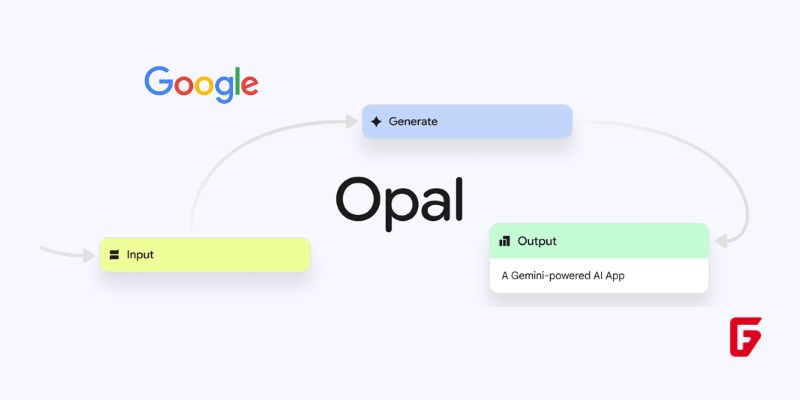
What Is Opal and Why Does It Matter?
Google Opal is a groundbreaking experiment from Google Labs, designed to let anyone—regardless of coding experience—turn natural language ideas into shareable AI mini-apps. By simply typing out what you want your tool to do, Opal will craft a functional web app, stringing together AI models, prompts, and logic behind the scenes. This leap in app building democratizes advanced technology, empowering creators, entrepreneurs, and curious tinkerers to go from idea to app in minutes.
How Opal’s Visual Workflow Puts Power in Your Hands
At the heart of Opal is a visual workflow editor. Instead of writing code or fussing with back-end configuration, you’ll see each step of your app represented as a node in a flowchart-style interface. Editing, adding, or rearranging steps is as easy as drag-and-drop. Need to tweak a prompt or add a logic branch? Click on a step to adjust it instantly, or use natural language to describe what you want changed—the platform handles the rest.
This intuitive interface bridges the gap between professional developers and newcomers, making app creation as accessible as using a spreadsheet.
From Prompt to Product: How Opal Converts Ideas Into Apps
Describe your goal in conversational English.
Opal’s AI interprets your input, choosing the right models and workflow steps.
A visual diagram shows how the app will function, including input, processing, and output.
Test immediately, then fine-tune prompts or logic visually.
Hit publish to share your custom mini-app with others—all from your Google account.
This seamless process eliminates the traditional hurdles of coding, configuration, and deployment.
Remixing and Reusing: The Power of the Template Gallery
Opal’s community-driven template gallery is more than just a starting point; it’s a playground for experimentation. Browsing templates for tasks like text summarization, content rewriting, or productivity automation, you can fork any example into your own workspace. Customize prompts, integrate new data sources, or chain additional steps to fit your needs. The ability to “remix” applications dramatically speeds up innovation and encourages knowledge sharing among users.
Who Benefits? Target Users and Use Cases
Opal is ideal for:
Creators looking to build quick AI tools.
Small business owners streamlining workflows.
Product testers prototyping features before investing in custom builds.
Educators showcasing AI concepts without code.
The U.S.-only beta rollout focuses on casual builders, but as the platform matures, it’s easy to imagine expansion into education, business automation, and rapid prototyping for startups.
The Competitive Landscape: Google’s Bet on Accessible AI
With Opal, Google deepens its commitment to making AI development available to everybody. Unlike traditional IDEs, Opal’s natural language approach undercuts the need for technical skills. It also steps into a dynamic ecosystem of rivals—startups like Lovable, Bolt.new, and established platforms such as Canva and Figma are all racing to make app creation as frictionless as possible.
Opal’s integration with Google’s powerful AI models (like Gemini) and potential connectivity to Google Cloud and related services hint at a future where even advanced business logic, data integrations, and analytics could be part of the no-code experience.
Limitations and What’s Next
Currently, Opal is limited to users in the United States. There is no roadmap yet for international or enterprise release, and advanced features for team management or analytics are not present at launch.
However, Opal’s debut signals a shift in how technology will be built and shared: from lines of code to lines of text, from developers to everyone willing to imagine.
Opal’s arrival is not just another product launch—it’s a signpost that the barriers to AI-powered creativity are coming down for good.

futureTEKnow
Editorial Team
Discover the companies and startups shaping tomorrow — explore the future of technology today.
Most Popular
Trending Companies
Latest Articles
futureTEKnow is focused on identifying and promoting creators, disruptors and innovators, and serving as a vital resource for those interested in the latest advancements in technology.
© 2026 All Rights Reserved.