
Startups & Business News
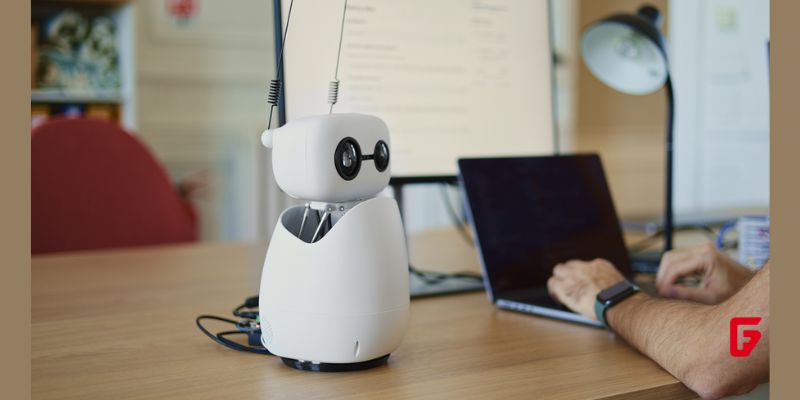
The robotics industry just got a major shakeup. Hugging Face, a company best known for open-source AI, has launched a robot priced at just $299—a move that could fundamentally change who gets to build, experiment with, and benefit from robotics.
Why the $299 Price Tag Is a Big Deal
For years, robotics hardware has been out of reach for most hobbyists, students, and small startups. Typical robots with advanced features often cost thousands of dollars, limiting hands-on innovation to well-funded labs or large companies. By introducing a fully programmable, open-source robot at such a low price, Hugging Face is opening the door for a much wider community to participate in robotics development.
What Makes the Hugging Face Robot Stand Out
Open-source hardware and software: Anyone can modify or improve both the robot’s code and its physical design.
Integration with popular AI models: The robot is built to work seamlessly with Hugging Face’s huge library of machine learning models, making it a practical platform for experimenting with computer vision, natural language processing, and more.
Plug-and-play setup: The device is designed so that even users without a technical background can get started quickly.
Potential Impact on the Robotics Industry
This launch could trigger a wave of grassroots robotics innovation. Here’s why:
Lowering the barrier to entry: Students, educators, and indie developers can now afford to experiment with real-world robotics, not just simulations.
Accelerating AI-robotics integration: With direct access to state-of-the-art AI models, developers can rapidly prototype new applications—from home automation to interactive learning tools.
Creating a global developer community: Open-source projects thrive on collaboration. As more people contribute, the robot’s capabilities will likely expand far beyond its original design.
What This Means for the Future
The Hugging Face robot could become the “Raspberry Pi of robotics,” sparking the same kind of widespread experimentation and creativity that low-cost computers brought to software and hardware hacking. Expect to see new educational kits, open-source projects, and even commercial products built on this platform.
Key Takeaways
Hugging Face’s $299 robot democratizes access to robotics hardware and AI integration.
Open-source design and compatibility with leading AI models make it a versatile tool for learning and innovation.
This move could accelerate robotics development and inspire a new generation of creators.
In a field where progress has often been gated by cost and complexity, Hugging Face’s bold step could mark the start of a more inclusive and fast-moving robotics era.

futureTEKnow
Editorial Team
Discover the companies and startups shaping tomorrow — explore the future of technology today.
Most Popular
Trending Companies
Latest Articles
futureTEKnow is focused on identifying and promoting creators, disruptors and innovators, and serving as a vital resource for those interested in the latest advancements in technology.
© 2026 All Rights Reserved.