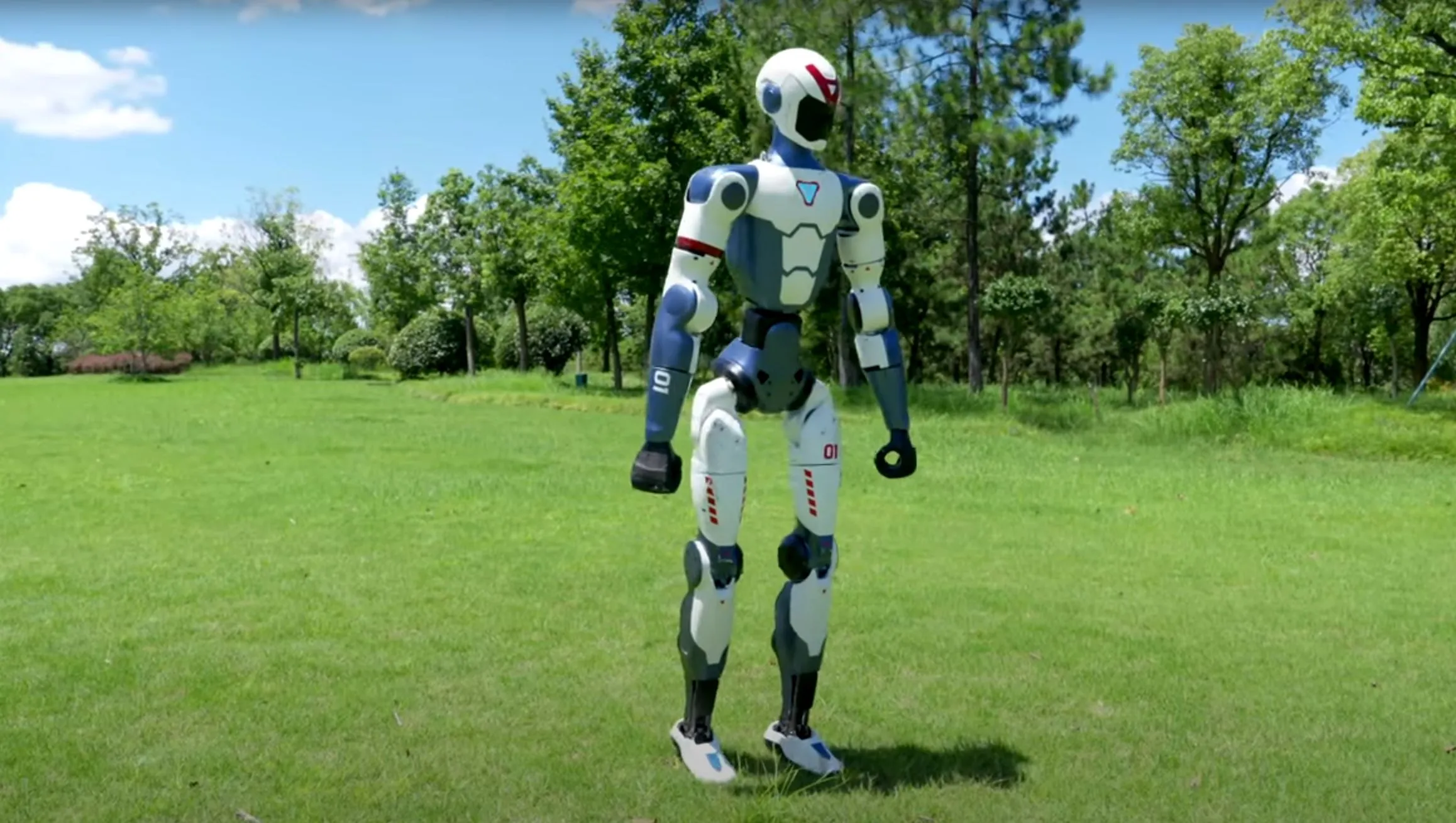
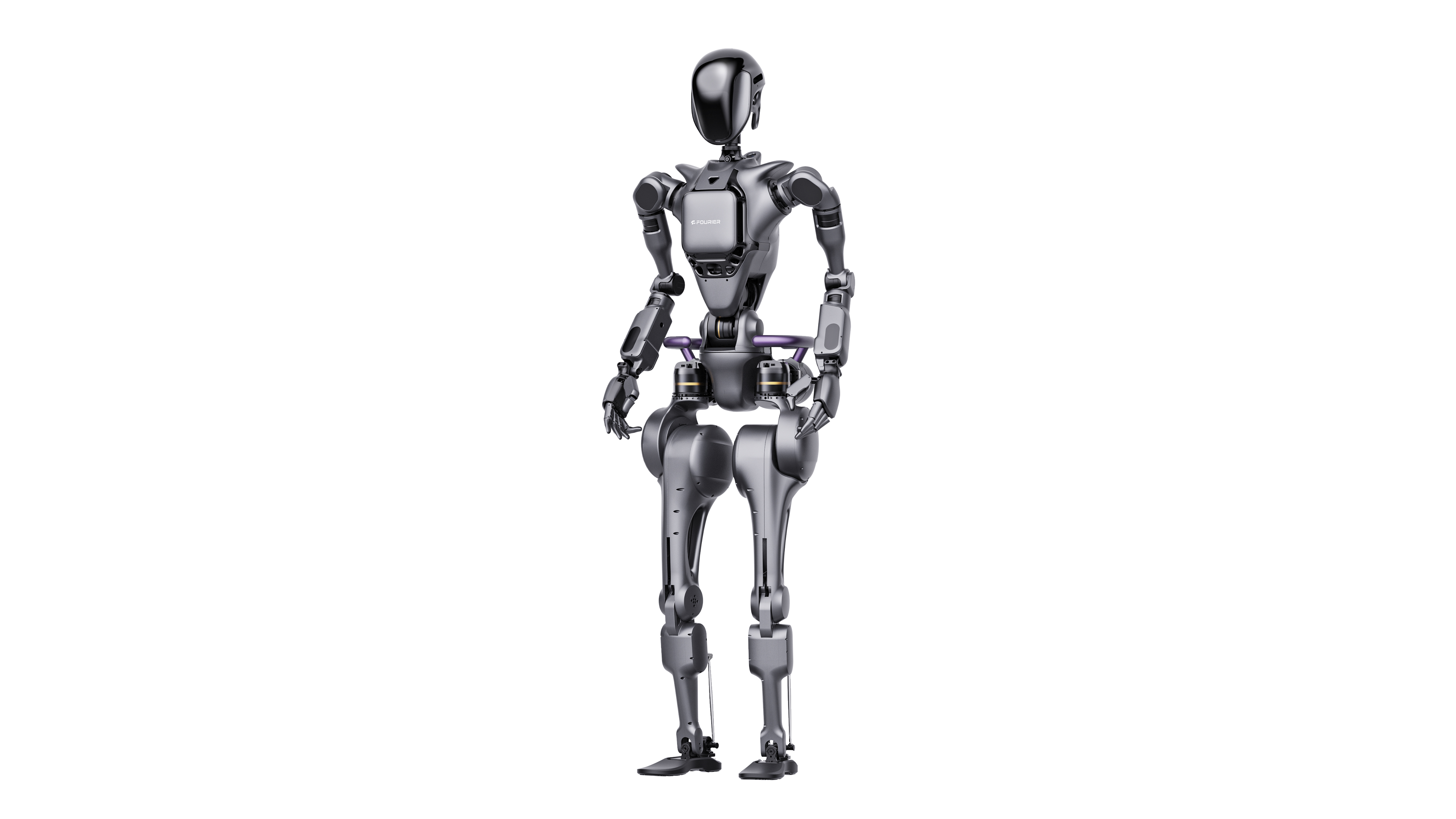
You can buy a full-size humanoid robot like Unitree R1 for as little as $5,900, with more advanced models that will be available soon, which might be up to $100,000+.
Robots are moving from factories to homes, with companies like 1X, Figure AI, and Tesla racing to release household-ready bots.
Most consumer-grade humanoids now blend advanced AI, mobility, and open customization for real-world adaptability.
Mass production and open platforms are driving prices down fast; expect a rapid expansion of availability and capability by 2026.
If you’re shopping with a tight budget, desktop “humanoids” like Hugging Face’s HopeJR ($3,000) and Reachy Mini ($250) offer limited mobility and intelligence—think of them as open-source experimenter platforms, not walking helpers for the home.
Today’s humanoid robots are more than remote-control toys or glorified vacuum cleaners. What sets them apart?
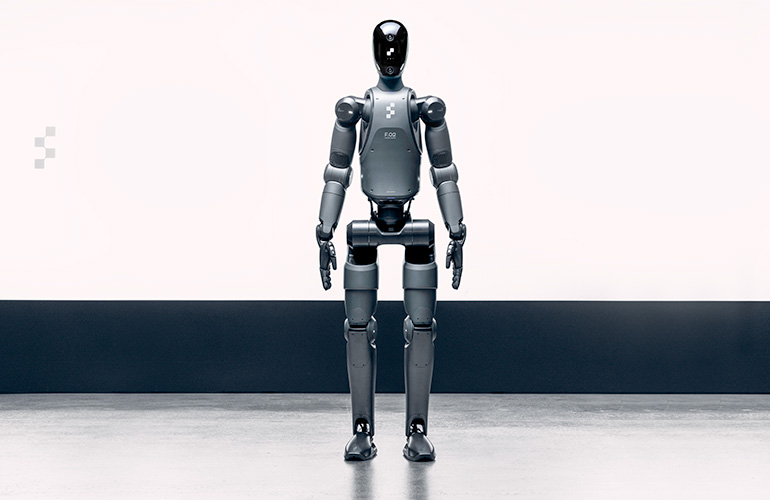
Mobility & Dexterity: With up to 44 degrees of freedom (like GR-1 and Figure 02), these robots can walk, grab objects, and adapt to new environments.
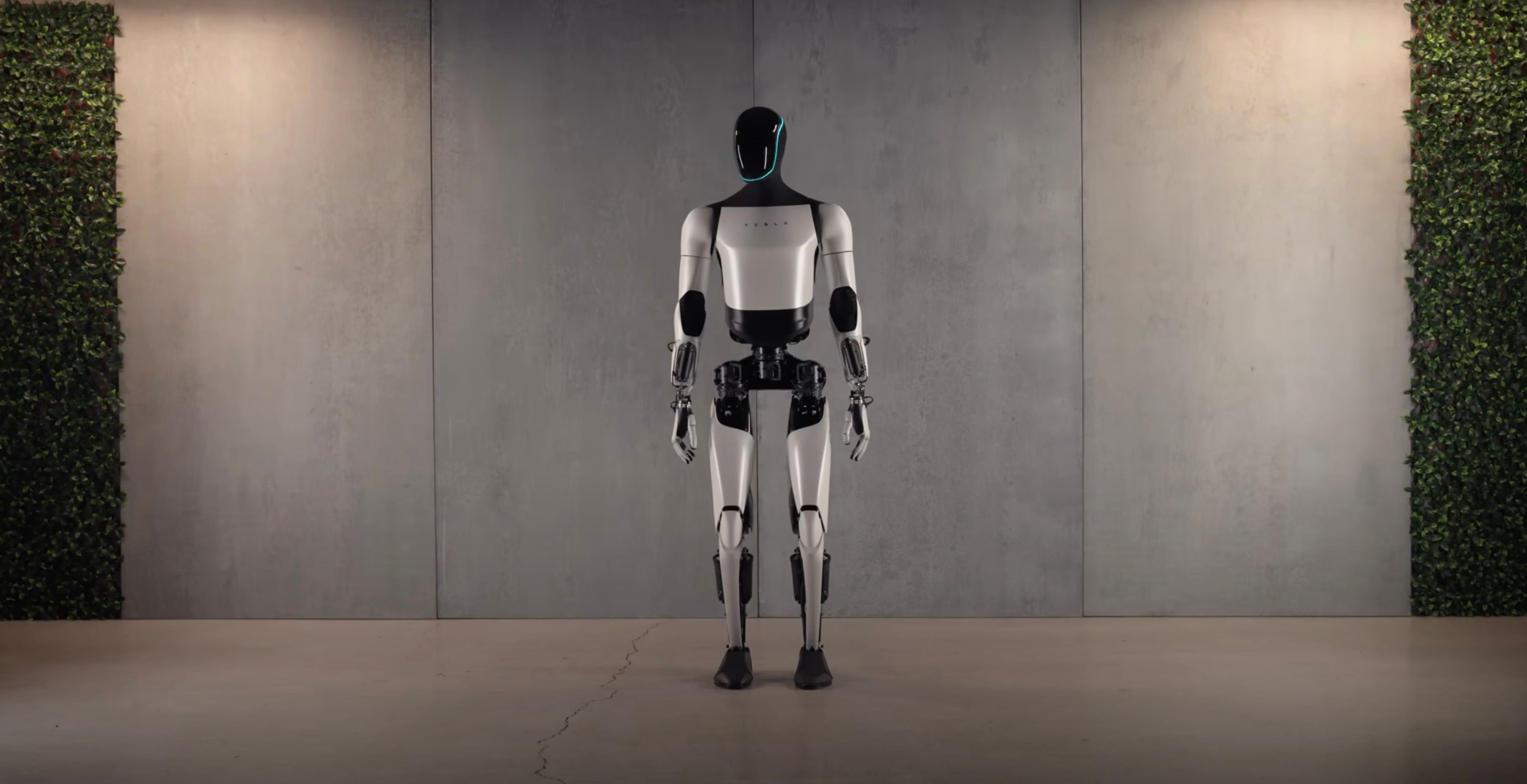
AI Power: Modern bots, like Tesla’s Optimus and Figure 02, combine advanced vision, language models, and real-time sensor feedback for situational awareness. They can follow natural voice commands and even plan tasks using AI.
Customization: Open platforms (like Unitree R1) encourage developers worldwide to create custom behaviors, making the robots infinitely adaptable.
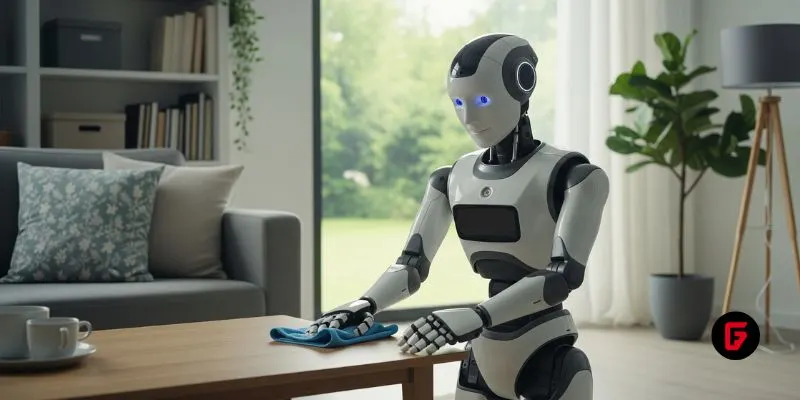
Industrial Meets Domestic: Most robots launching today are first tested in warehouses and factories, handling repetitive tasks. Home versions such as NEO and Digit are just beginning to tackle household chores, like cleaning windows or fetching a drink.
There’s a catch: most full-featured humanoids still cost upwards of $20,000—and we’re only just entering the phase where they’re being tested in real people’s homes.

Mass Production: Companies like Unitree, Figure AI, and Fourier Intelligence have pushed robots beyond prototypes—factories are now producing units at (relatively) accessible prices, targeting not just research buyers but the public.
AI Advances: The fusion of large language models and robotics has supercharged what bots can do, making flexible, “trainable” robots practical and not just theoretical.
Global Ambition: China, backed by government subsidies, has become a major player, driving down costs and accelerating development. The U.S. is catching up, as Tesla and Figure promise mass-market availability soon.

Editorial Team
futureTEKnow is a leading source for Technology, Startups, and Business News, spotlighting the most innovative companies and breakthrough trends in emerging tech sectors like Artificial Intelligence (AI), Robotics, and the Space Industry.
Discover the companies and startups shaping tomorrow — explore the future of technology today.

After decades in IT project management and business analysis, one truth has stayed constant: when AI projects fail, it’s rarely

Generative Bionics, an Italian spin-out from IIT, is building Physical AI–powered humanoid robots to tackle labor gaps and modernize industrial

Stay ahead of AI and space tech wars: OpenAI vs Google AI, SpaceX and Blue Origin’s race for orbital data

This article explores 10 AI-driven supply chain optimization companies to watch in 2026, highlighting how their platforms improve forecasting, logistics,

AWS frontier agents introduce a new era of autonomous AI coders that can build, secure, and run applications for days

Explore the cutting-edge ways AI is enhancing Lean Six Sigma, from real-time process insights to predictive controls, ushering in a

Facing supply chain challenges in 2025? High-performing teams leverage AI for risk management, demand forecasting, supplier analytics, and end-to-end visibility

Craft an AI-powered supply chain Center of Excellence that unifies control tower visibility, analytics, and inventory optimization into one strategic

Supply chain leadership is being redefined by AI, intelligent automation, and agentic decision-making, demanding leaders who can engineer end-to-end intelligence

WisdomAI has closed a $50M Series A led by Kleiner Perkins and Nvidia’s NVentures to turn fragmented enterprise data into

Dutch agri-tech startup Saia Agrobotics has raised €10M to expand its greenhouse automation system using AI-powered robots that make farming

Bridgit Mendler’s Northwood Space is pioneering mass-produced ground stations, enabling scalable, high-speed connectivity for the new era of satellite networks
futureTEKnow is focused on identifying and promoting creators, disruptors and innovators, and serving as a vital resource for those interested in the latest advancements in technology.
© 2026 All Rights Reserved.